
Spondylolisthesis
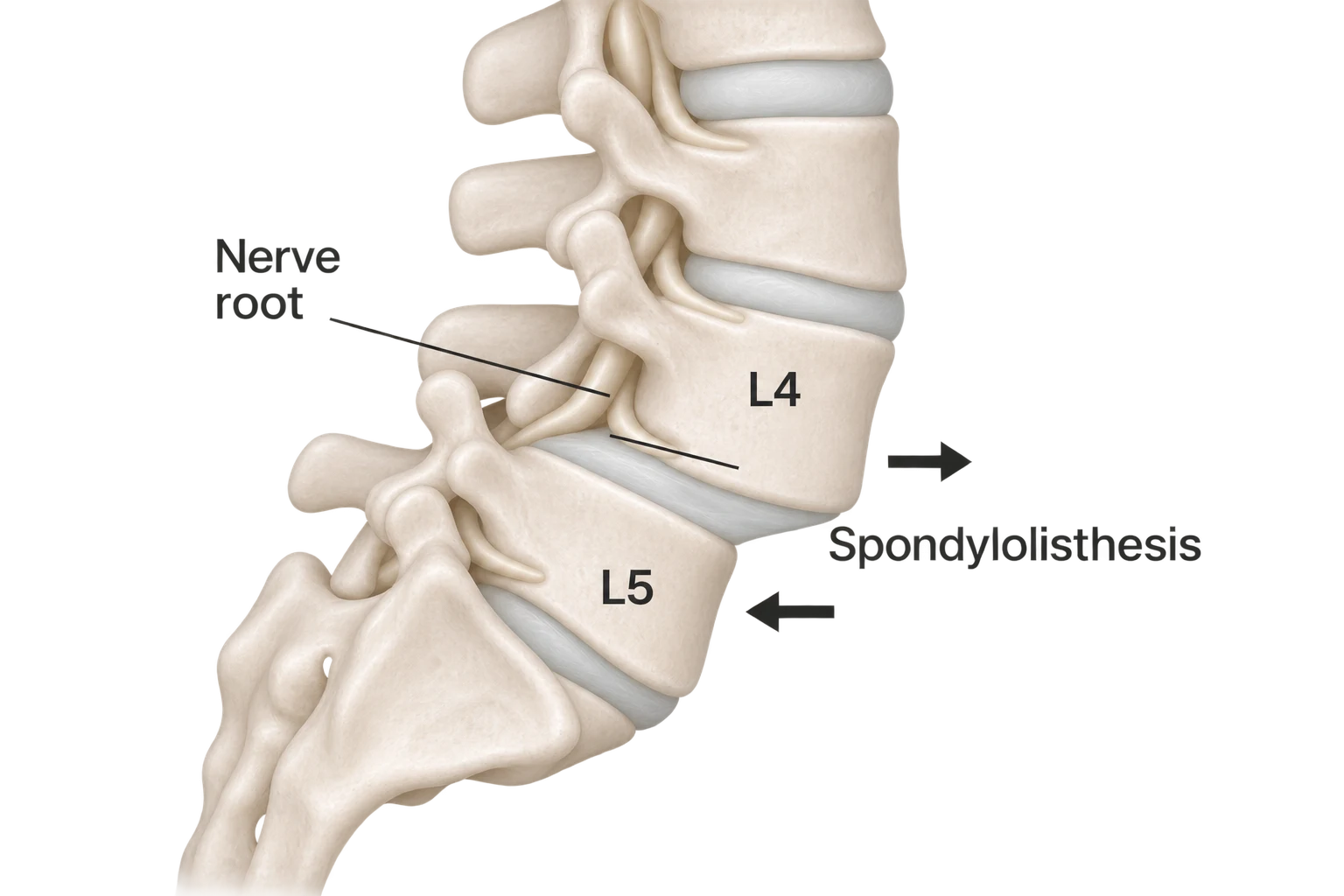
Spondylolisthesis means that one vertebra has slipped forward relative to the vertebra below it. Many people have no symptoms. When the slip is associated with nerve compression, it may cause back or leg pain, numbness, weakness or difficulty walking.
Understanding the condition
What is Spondylolisthesis?
Spondylolisthesis occurs when one spinal vertebra moves forward in relation to the one below it. It is most common in the lower back and does not always cause pain or require treatment.
Two common forms are degenerative spondylolisthesis, caused by age-related changes in the discs and joints, and isthmic spondylolisthesis, associated with a defect or stress fracture in a small part of the vertebra (the pars interarticularis).
A slipped vertebra may narrow the space for nearby nerves causing pain and other symptoms. The need for surgery depends on how severe your symptoms are, how much they affect your daily life
Symptoms
Common symptoms of Spondylolisthesis
Some people have no symptoms. Others may experience:
Hover your cursor over a symptom above to learn more.
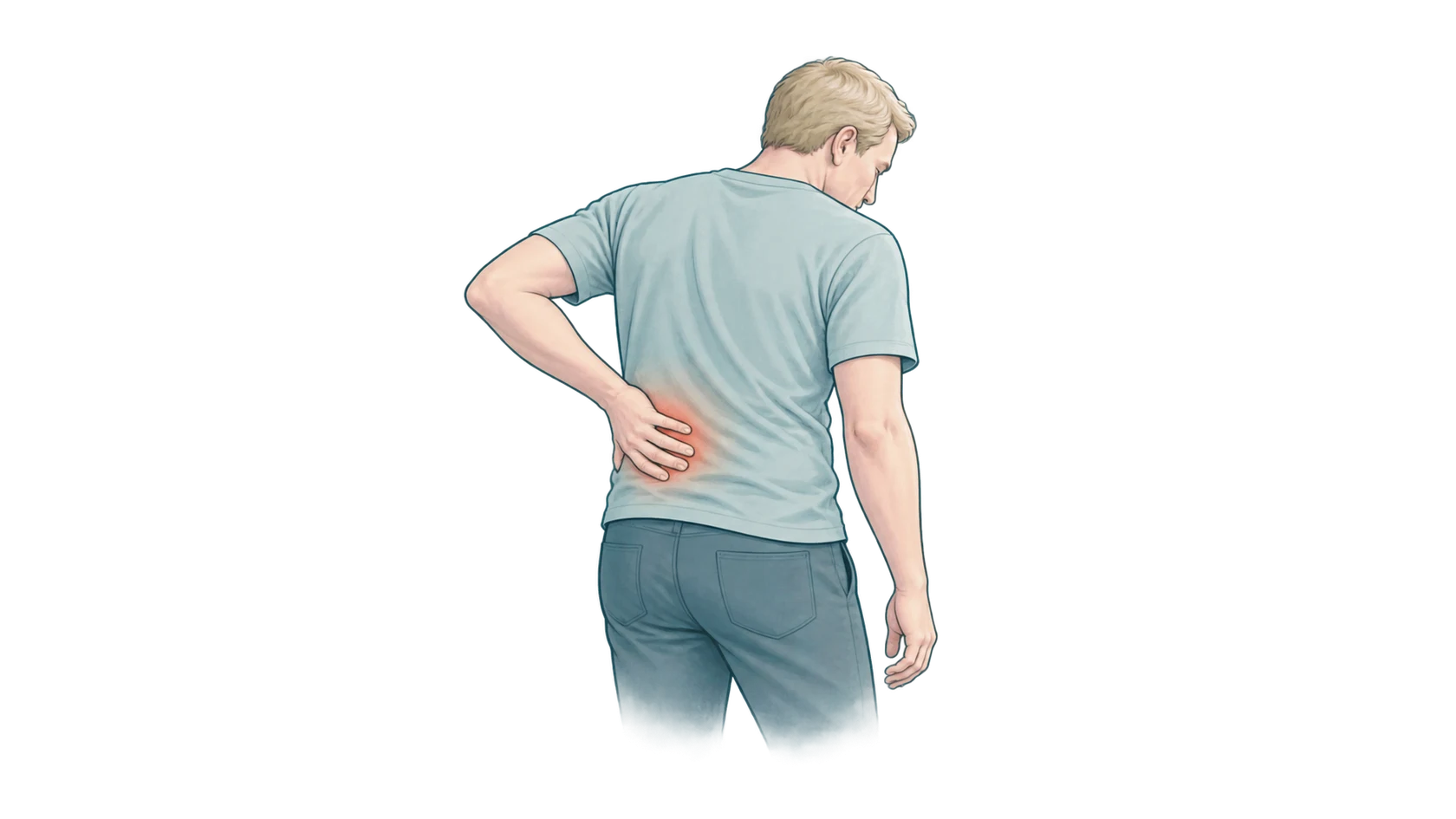
Lower Back Pain
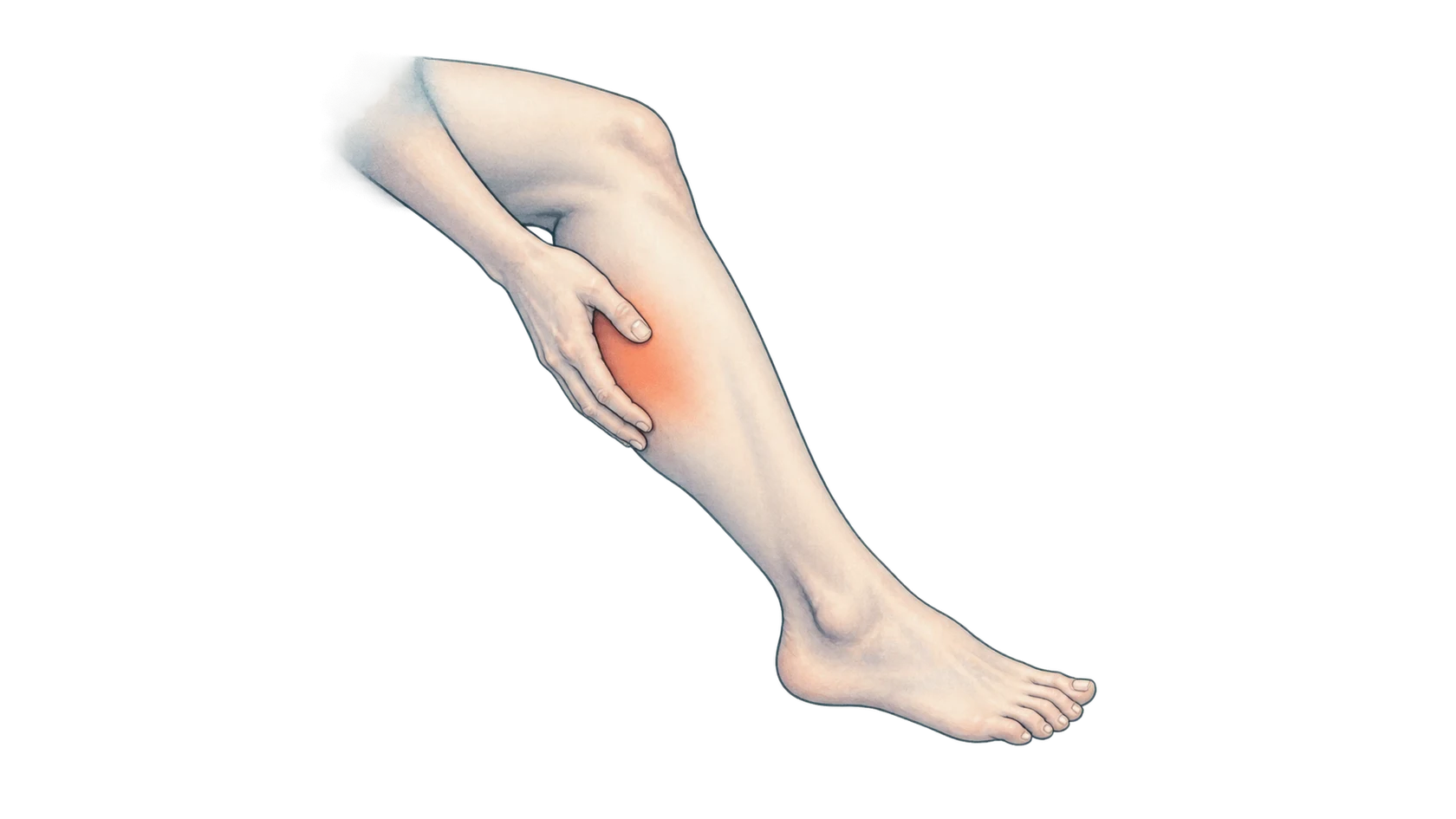
Leg Pain
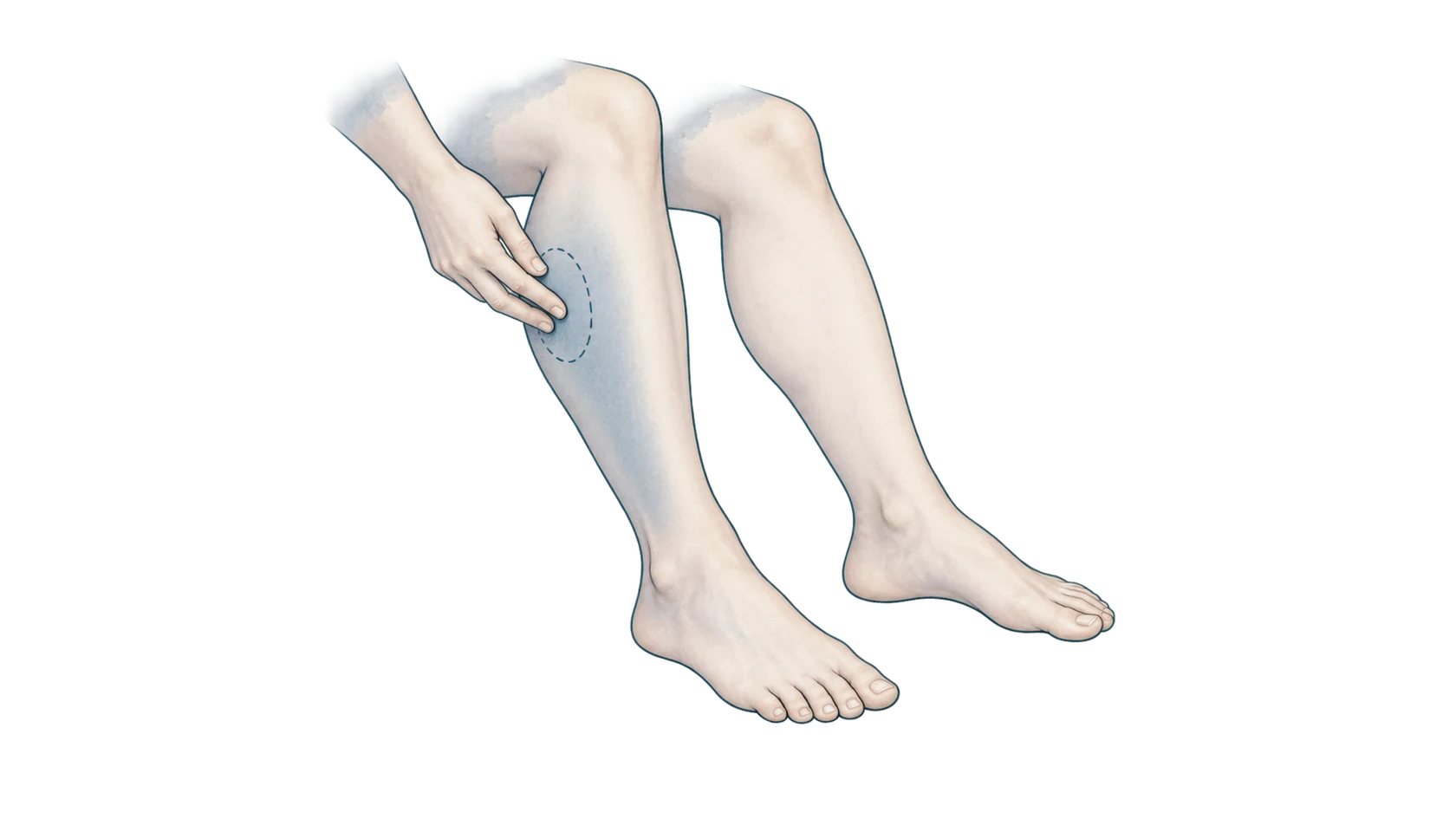
Numbness
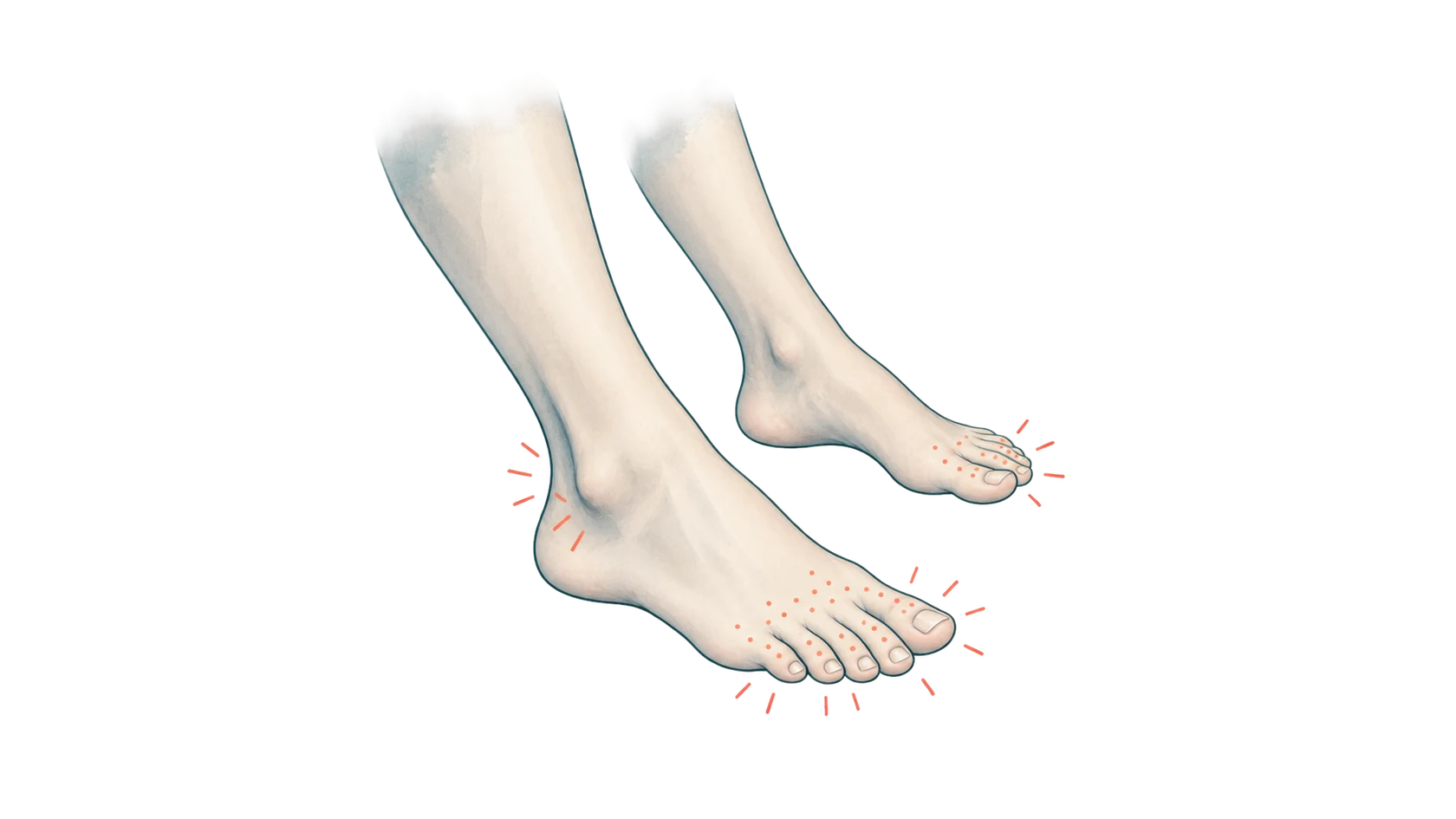
Tingling
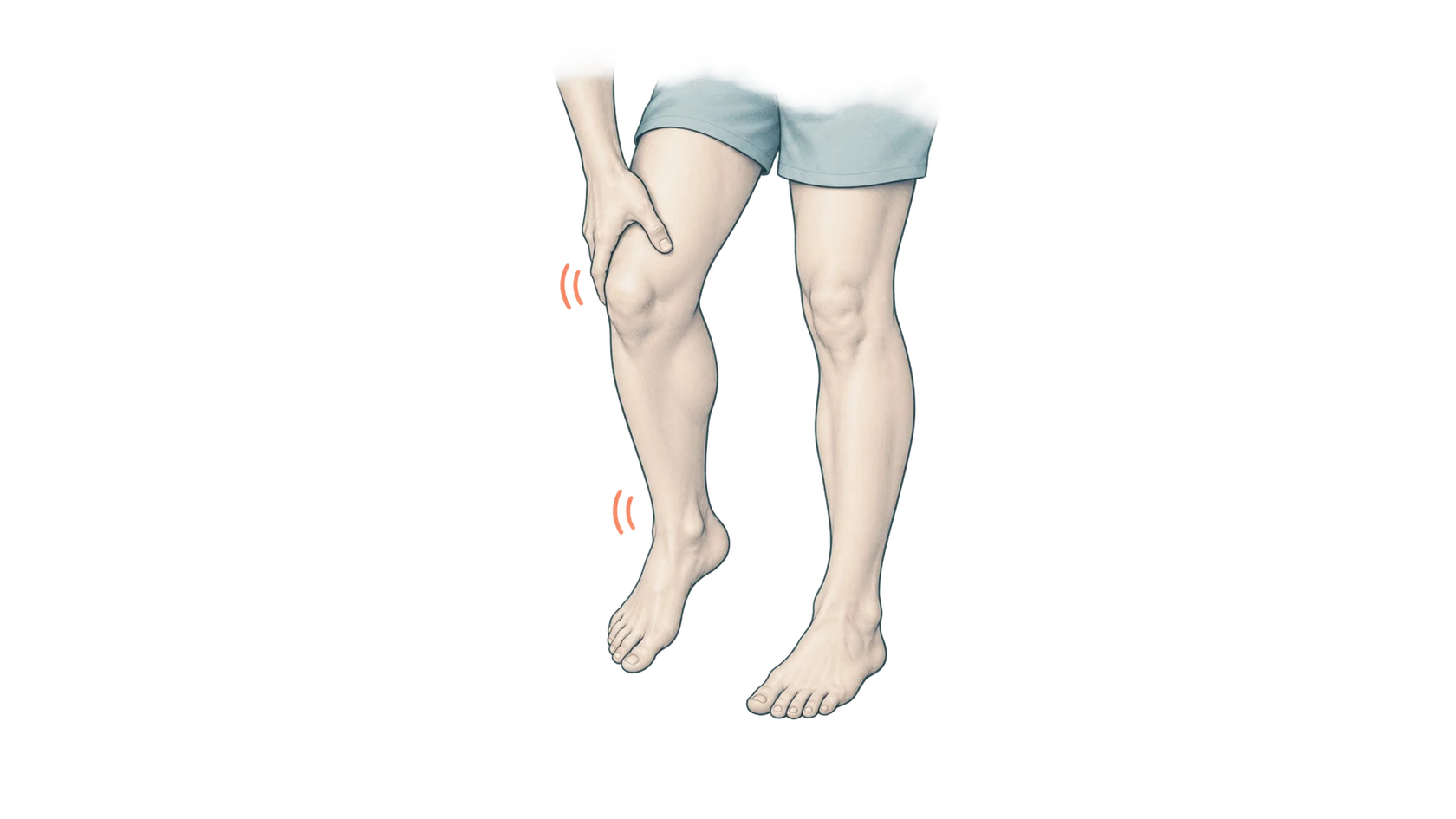
Weakness
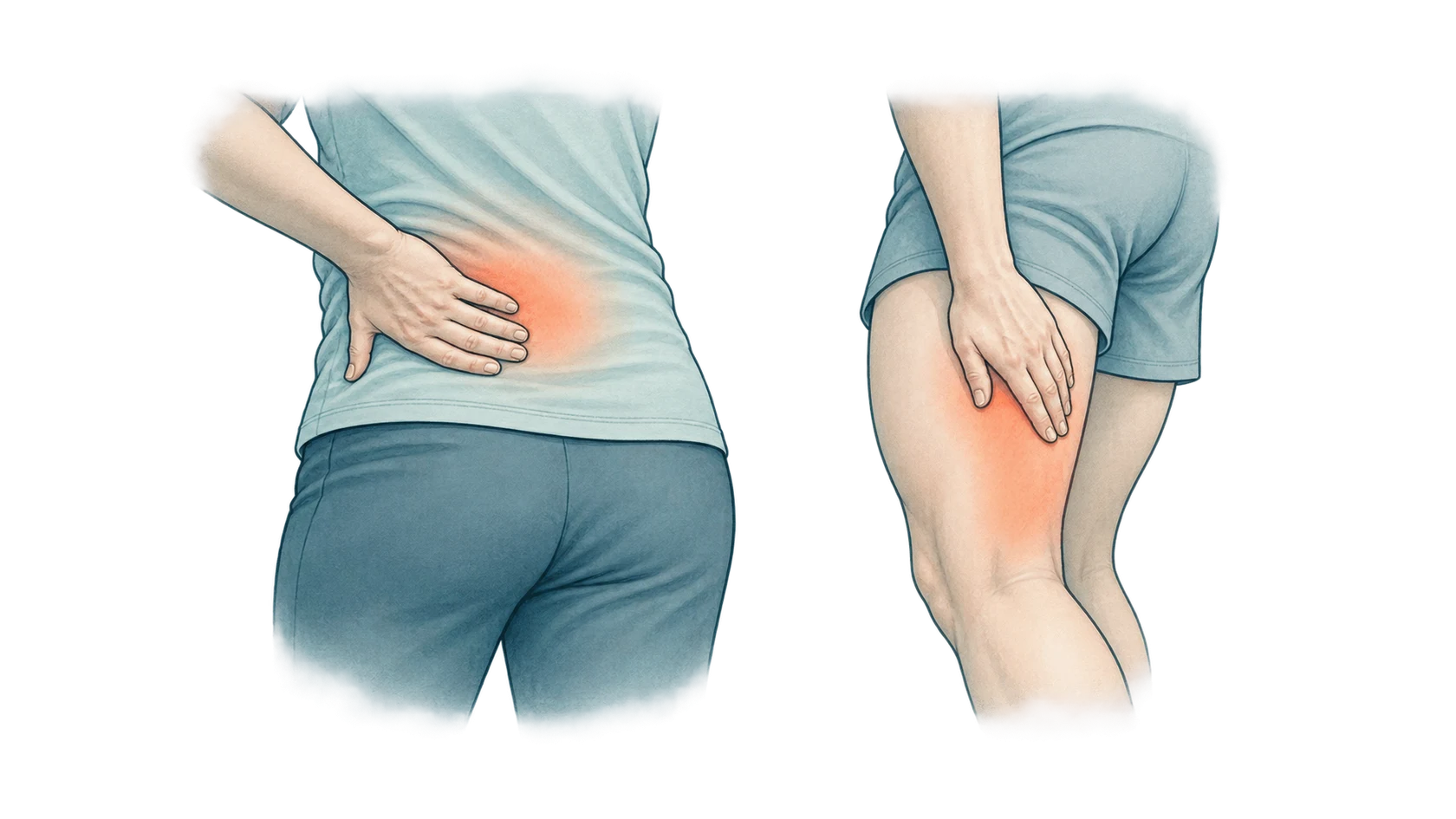
Muscle Tightness
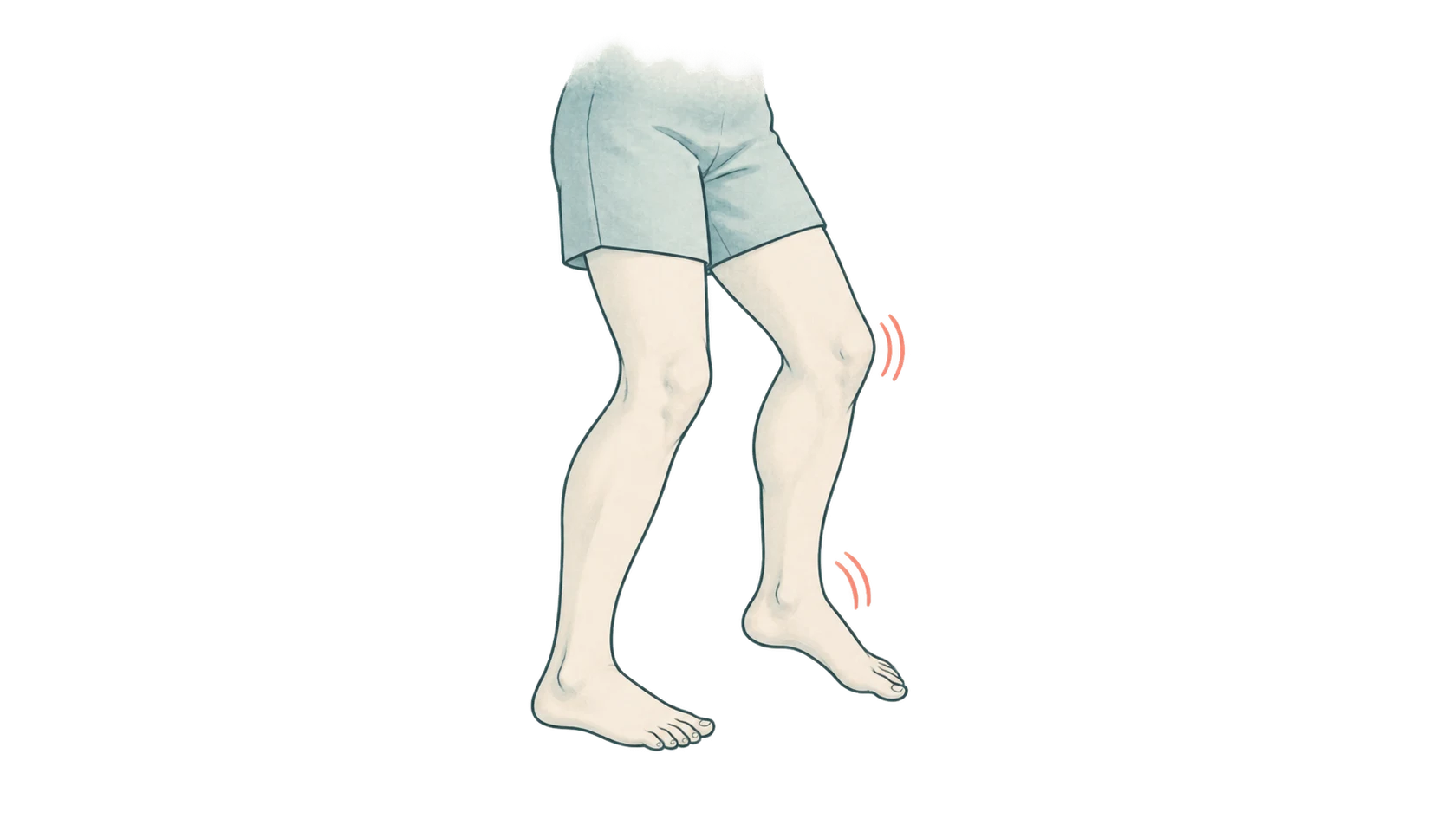
Difficulty Walking

When to Seek Urgent Care
Know the Warning Signs
Spondylolisthesis rarely causes serious nerve complications. However, seek immediate medical attention if you develop:
- New difficulty passing urine or loss of bladder or bowel control.
- New numbness around the genitals or anus.
- Rapidly worsening weakness in one or both legs.
These symptoms are uncommon but may indicate serious nerve compression.
For emergencies, call 000 or attend your nearest Emergency Department.
Assessment & Imaging
How is it diagnosed?
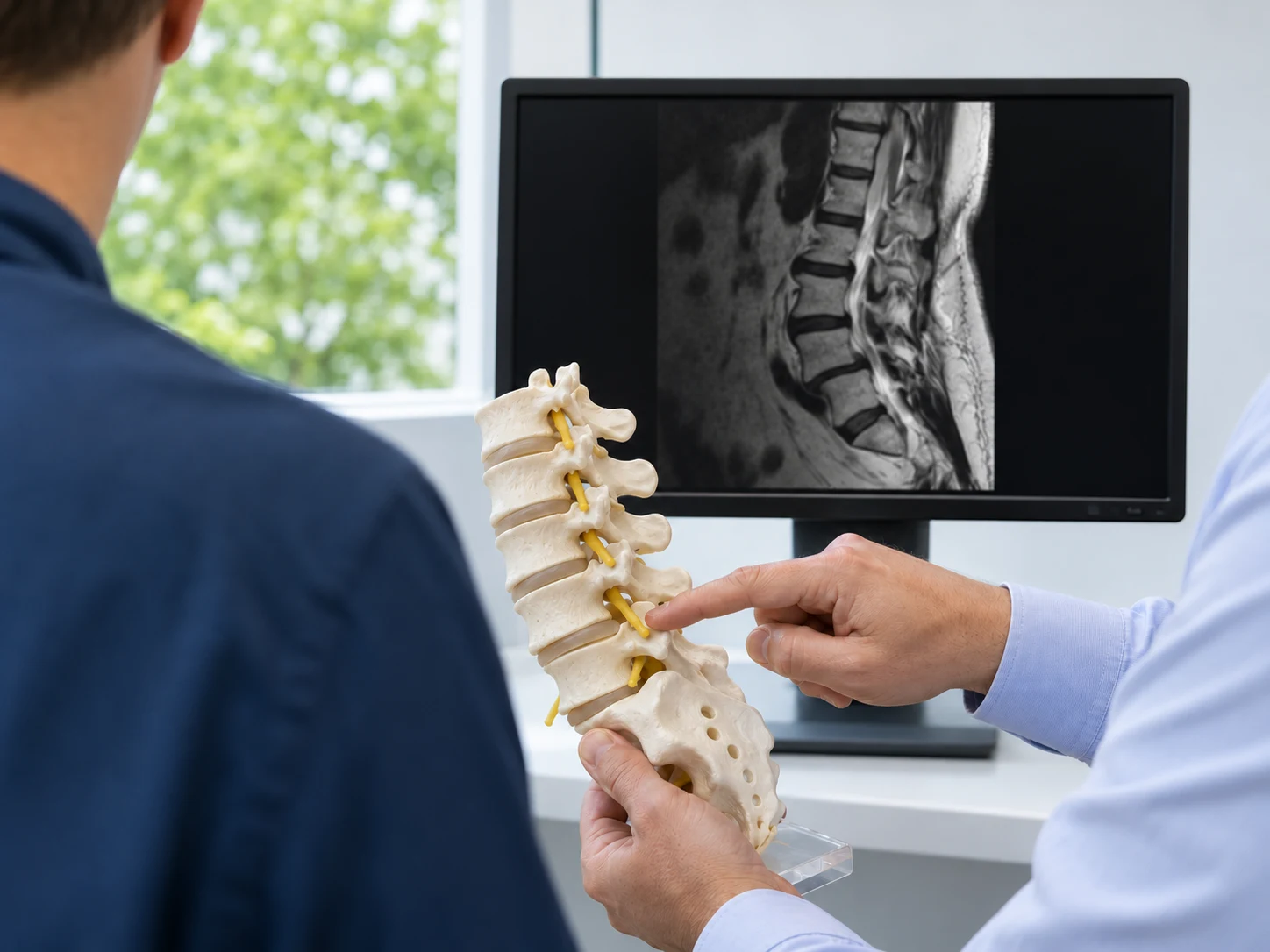
We begin by asking about your symptoms, their effect on daily activities, previous treatment and any changes in strength or walking. Examination and MRI or CT scans are examined to determine whether the slip is contributing to your symptoms.
Treatment
Treatment Options
Treatment depends on the symptoms and examination findings , how much the condition affects your life, and whether there is nerve compression or clinically important instability. An abnormal X-ray or MRI does not automatically mean surgery is needed.
Many patients can manage their symptoms without surgery. Treatment includes:
- Physiotherapy and exercise program.
- Pain-relieving and anti-inflammatory medication
- Image-guided injections for nerve-related pain,
- Activity pacing and modification when pain affects work or daily activities.
Surgery may be considered when there is persistent, disabling leg pain or walking limitation caused by nerve compression or when neurological weakness is progressing.
Procedures may include:
- Lumbar decompression
- Spinal fusion such as Anterior Lumbar Interbody Fusion
Related Services
Our multidisciplinary team can support assessment, treatment, rehabilitation, and surgical care where appropriate.
Concerned About Spondylolisthesis?
Our multidisciplinary team provides comprehensive assessment and treatment for patients experiencing lower back pain, nerve compression, and spinal instability.