
Brain Aneurysms
Brain aneurysms are often found incidentally, and specialist assessment helps determine whether monitoring or treatment is appropriate.
Understanding the condition
What is a Brain Aneurysm?
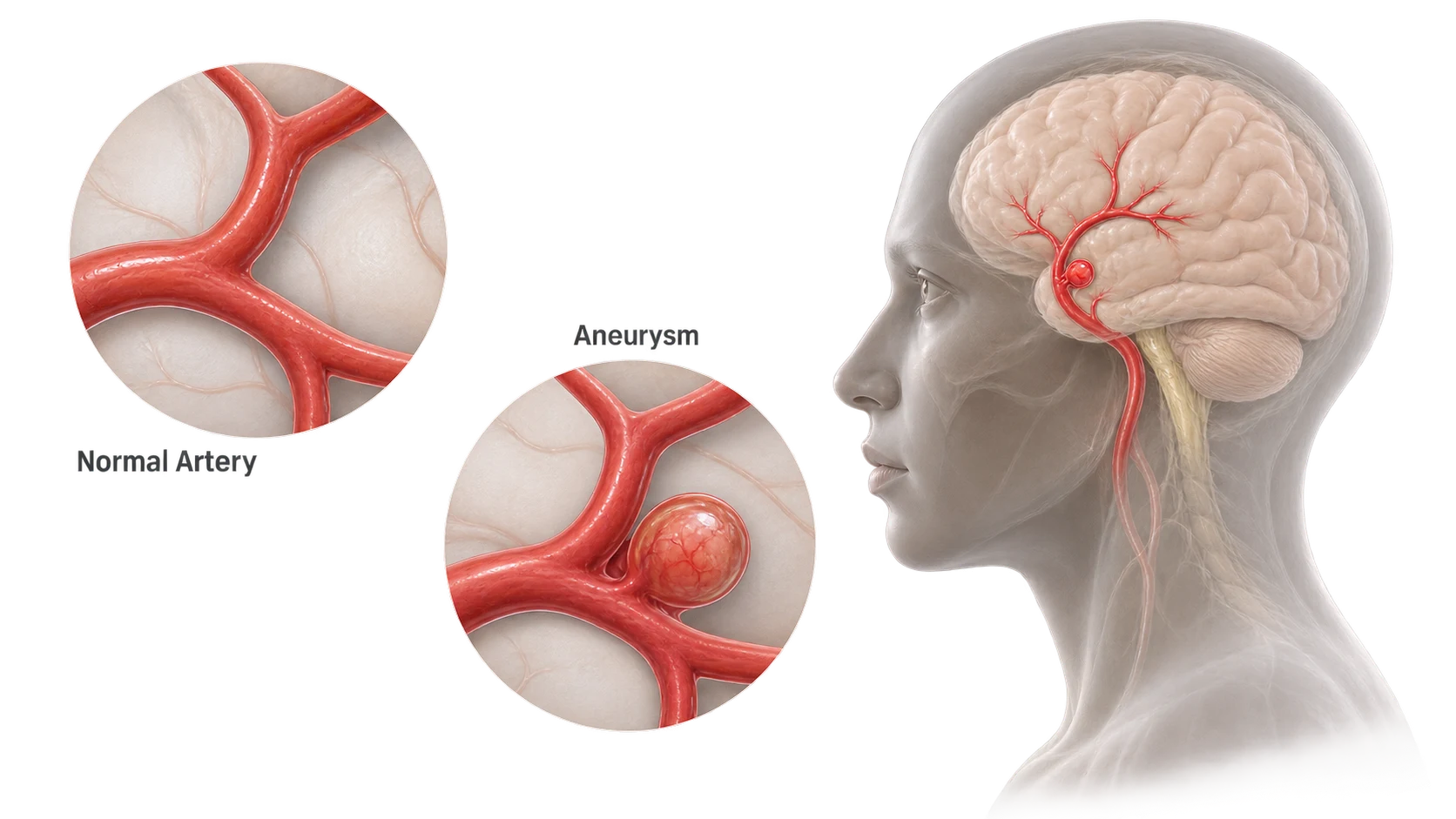
A brain aneurysm is a weakened area in the wall of a blood vessel within the brain that causes the vessel to bulge outward. Many aneurysms cause no symptoms and are discovered during imaging performed for other reasons.
Some aneurysms remain stable over time, while others may enlarge or carry a higher risk of rupture. A ruptured aneurysm causes bleeding around the brain, known as a subarachnoid haemorrhage, and requires emergency medical treatment.
Symptoms
Common symptoms of a Brain Aneurysm
Hover your cursor over a symptom above to learn more.
Headaches
No Symptoms
Vision Changes
Eye Pain
Facial Numbness
Seizures
Sudden Severe Headache

When to Seek Urgent Care
Know the Warning Signs
Call emergency services immediately if you experience:
- Sudden severe headache
- Loss of consciousness
- New weakness or paralysis
- Difficulty speaking
- Seizures
- Sudden visual loss
These symptoms may indicate a ruptured aneurysm and require emergency medical treatment.
For emergencies, call 000 or attend your nearest Emergency Department.
Assessment & Imaging
How is it diagnosed?
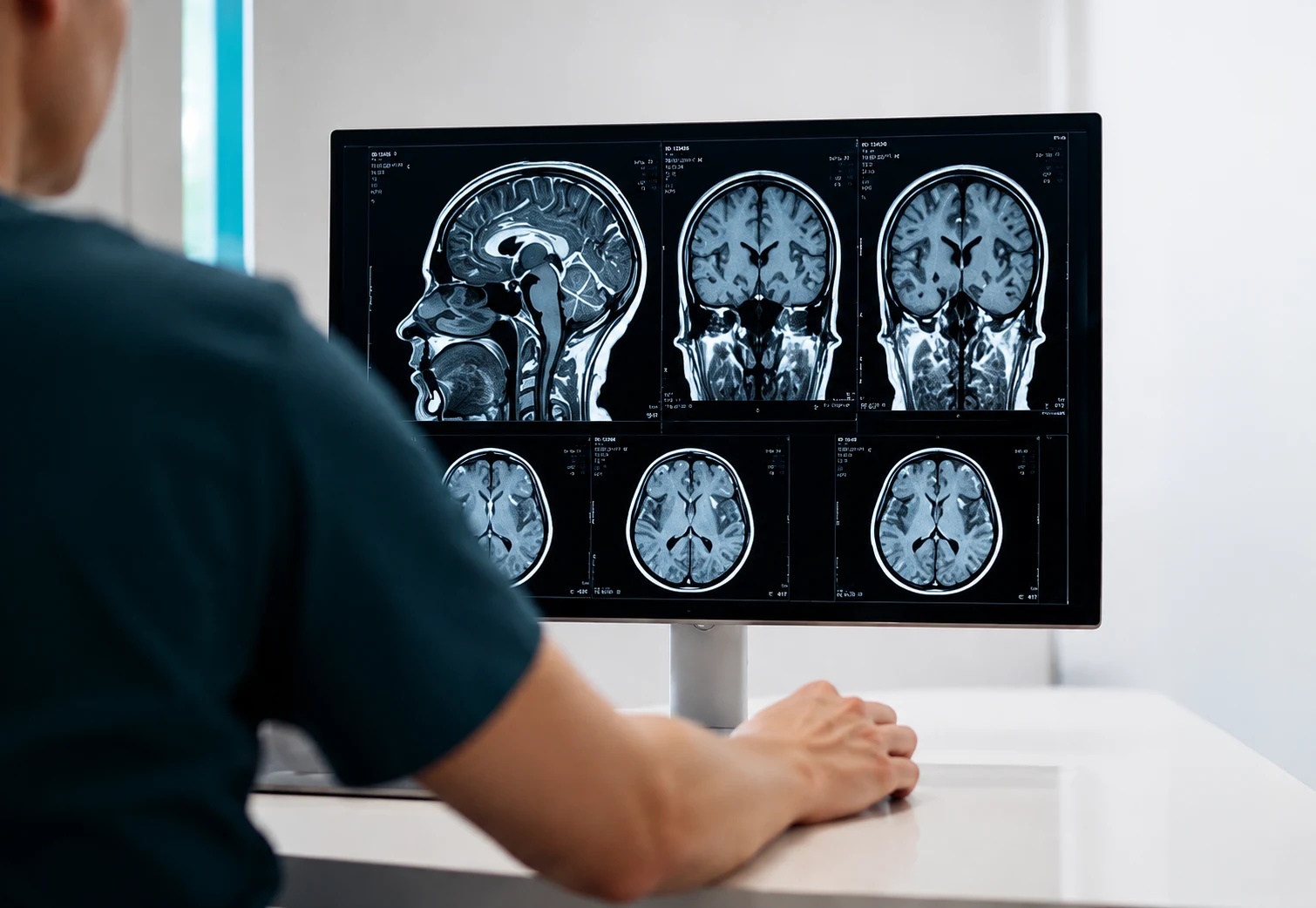
Brain aneurysms are typically diagnosed using specialised imaging that allows detailed assessment of blood vessels within the brain. These investigations help determine the size, location, and shape of the aneurysm and guide treatment recommendations.
Treatment
Treatment Options
Treatment is based on your symptoms, examination findings, imaging, and how the condition affects your day-to-day life.
Some aneurysms may be safely monitored with regular imaging.
Management may include:
- Clinical review
- Repeat imaging
- Risk factor modification
- Blood pressure management
Treatment recommendations depend on the size, location, appearance, and estimated risk of rupture.
Treatment options may include:
- Microsurgical clipping
- Endovascular coiling
Related Services
Our multidisciplinary team can support assessment, treatment, rehabilitation, and surgical care where appropriate.
Concerned About a Brain Aneurysm?
Our team provides comprehensive assessment and treatment for patients with brain aneurysms and other cerebrovascular conditions.