
Myelopathy
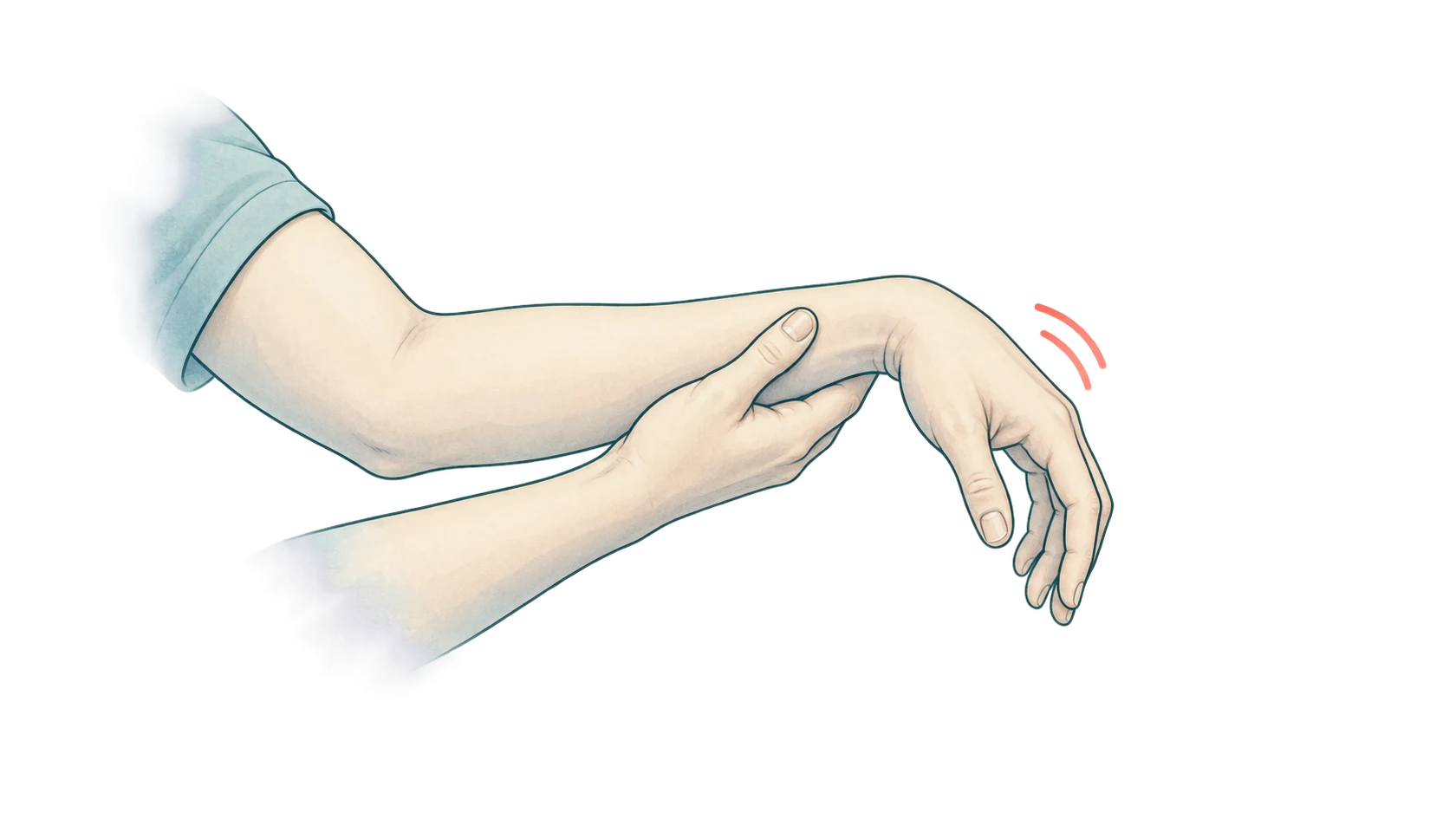
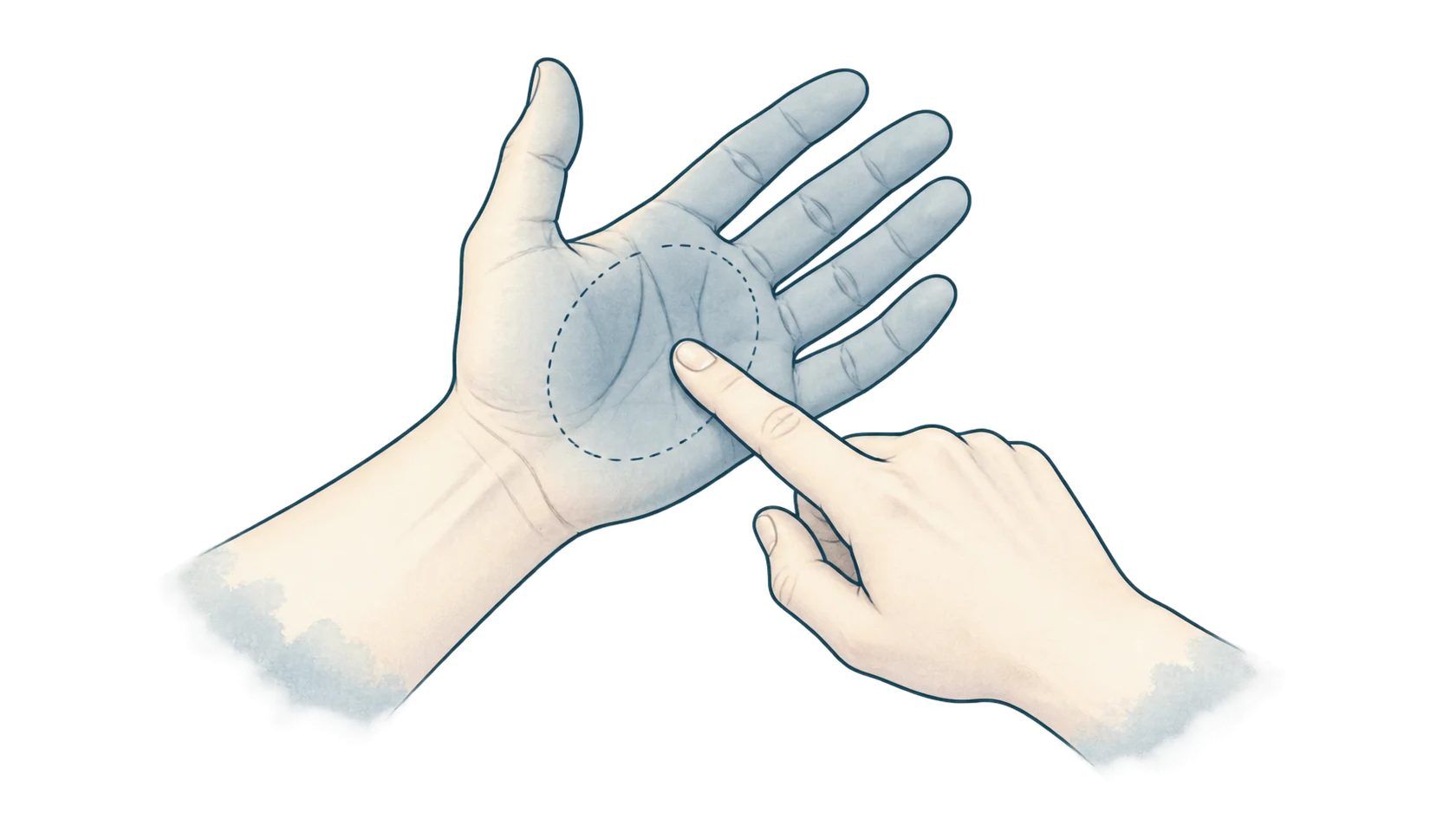
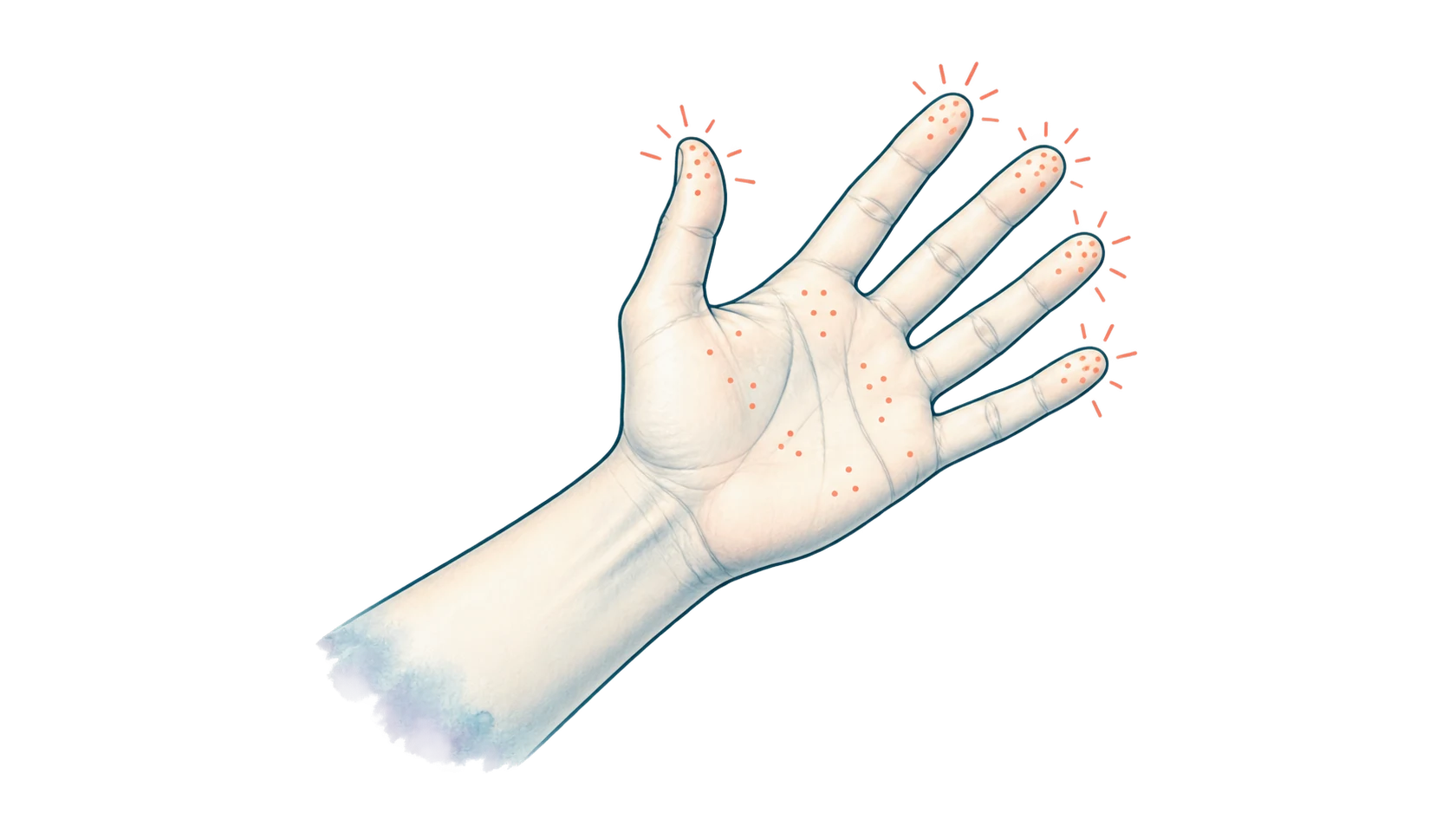
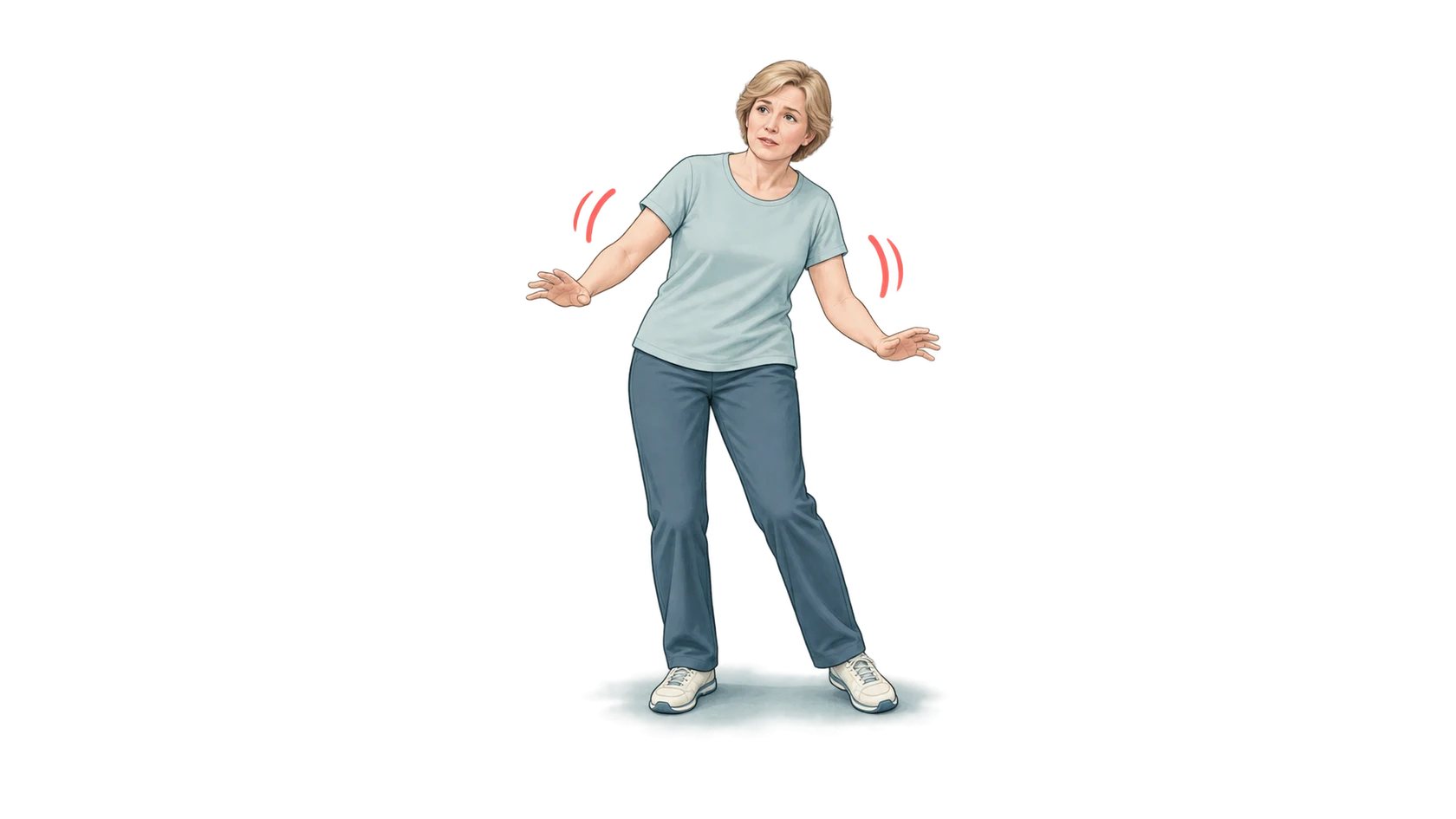
Myelopathy affects how the spinal cord works. It can cause difficulty walking, poor balance, clumsy hands and weakness. Early assessment is important because spinal cord problems can worsen over time.
Understanding the condition
What is Myelopathy?
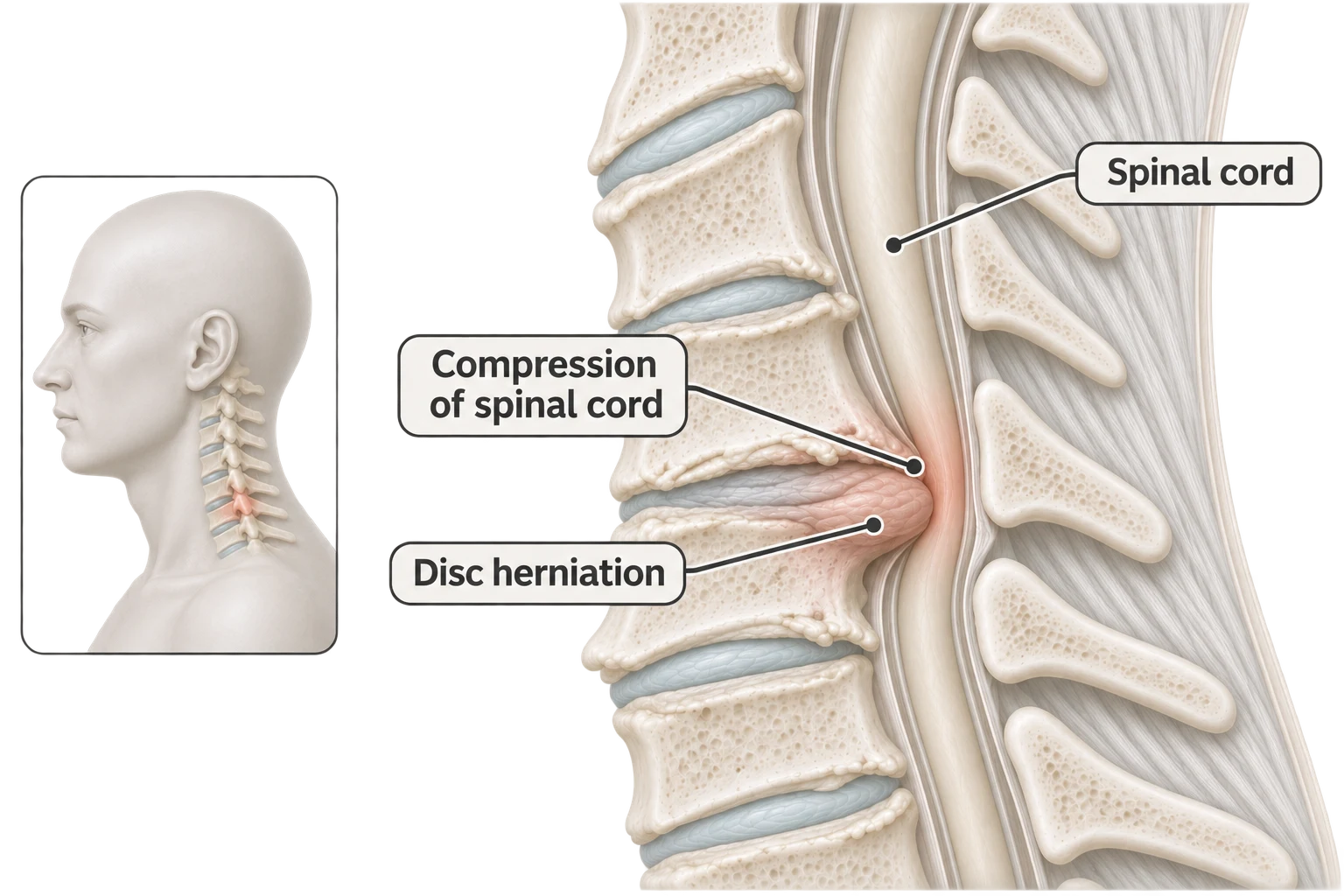
The spinal cord carries messages between your brain, arms and legs. Myelopathy occurs when the spinal cord is damaged or not working properly, most commonly because it is compressed in the neck, although can affect other parts off the spine.
Age-related changes, including worn discs, arthritis and thickened ligaments, can narrow the spinal canal and put pressure on the cord.
Some people have narrowing on an MRI without having myelopathy. We assess your symptoms, examination and scan together to determine what the findings mean.
Symptoms
Common symptoms of Myelopathy
Hover your cursor over a symptom above to learn more.
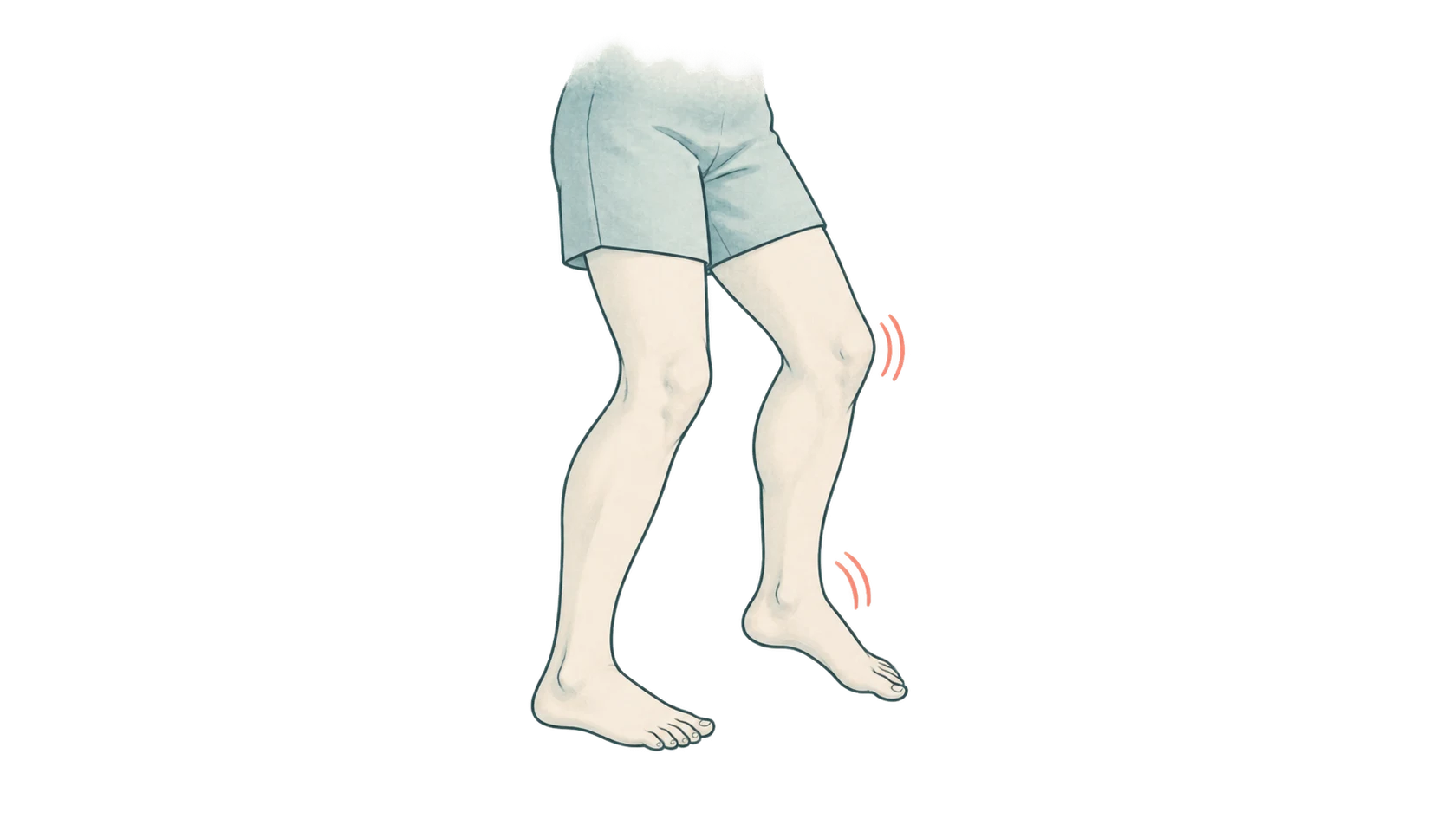
Difficulty Walking
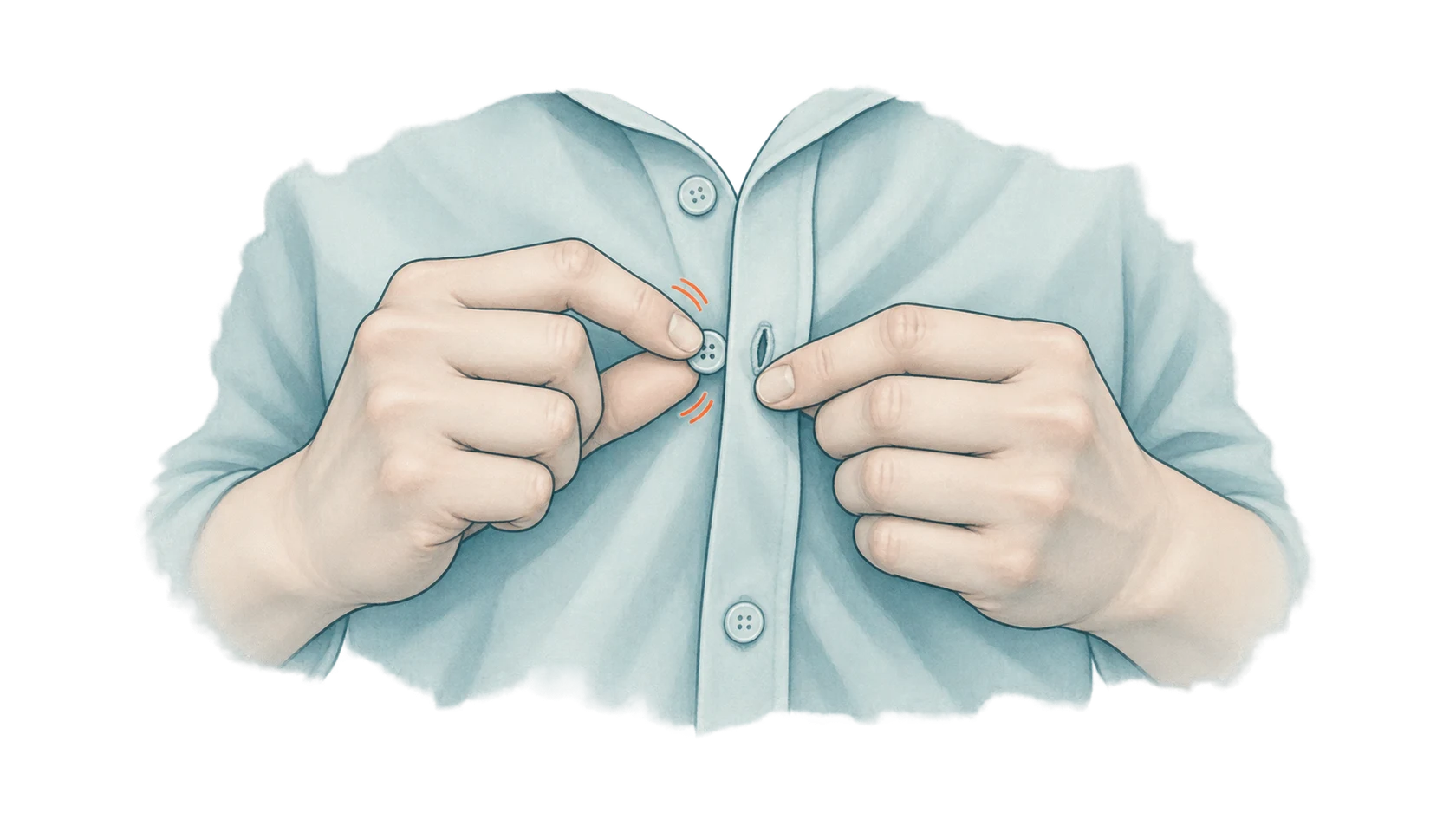
Hand Clumsiness
Weakness
Numbness
Tingling
Balance Problems

Bladder Symptoms

When to Seek Urgent Care
Know the Warning Signs
Arrange prompt medical assessment if you notice:
- Worsening walking or balance.
- Increasing hand clumsiness.
- Progressive weakness.
Seek urgent assessment if you develop:
- Sudden major weakness, rapidly lose the ability to walk.
- Have new loss of bladder or bowel control.
For emergencies, call 000 or attend your nearest Emergency Department.
Patient Education
Cervical myelopathy: clumsy hands and unsteady walking
This short explains cervical myelopathy — when the spinal cord in the neck is under pressure — and why early clues matter.
Assessment & Imaging
How is it diagnosed?
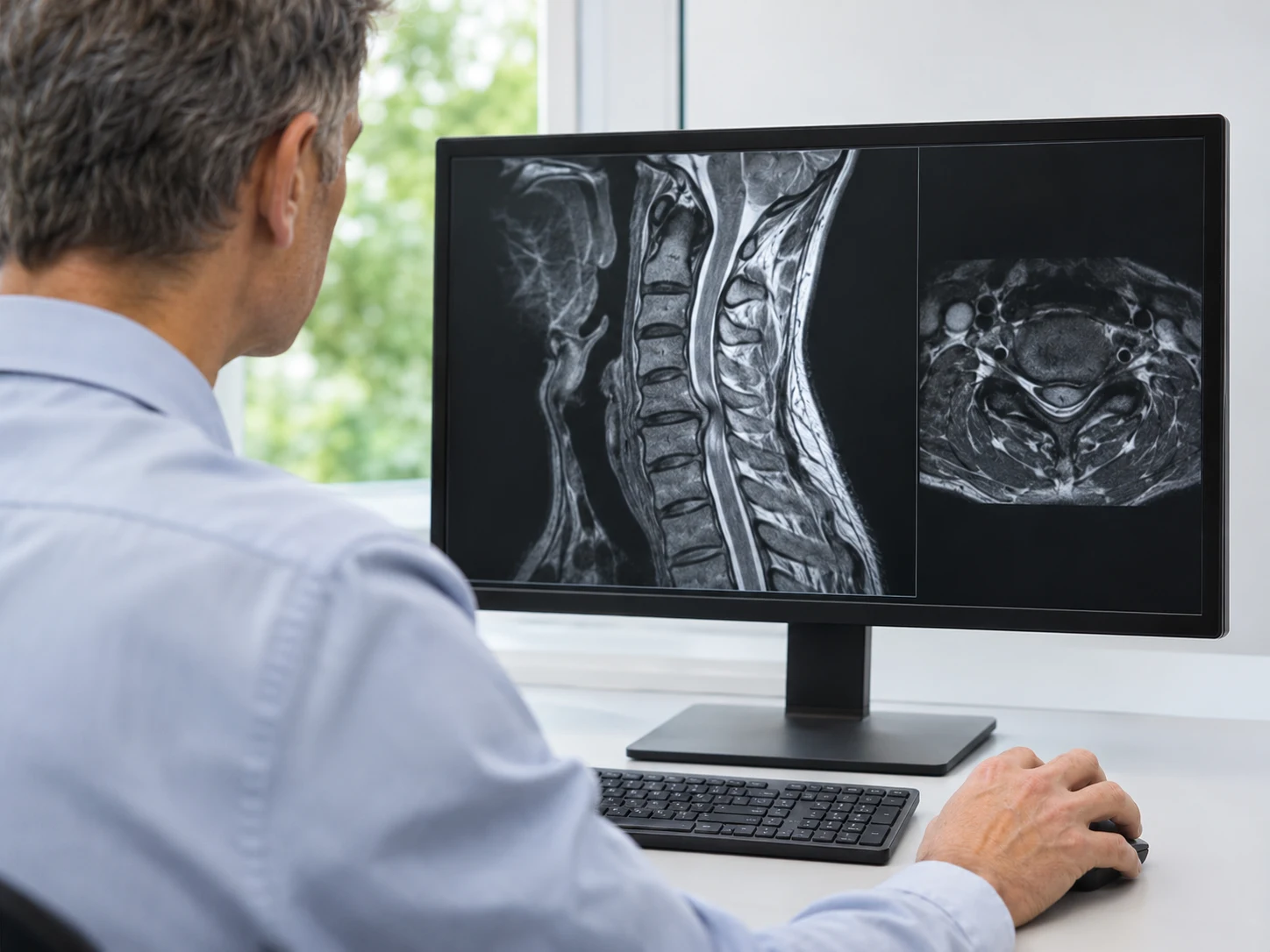
Diagnosis involves a neurological examination and an MRI, usually of the neck. The aim is to establish whether your symptoms are caused by spinal cord compression and how seriously the cord is affected.
Treatment
Treatment Options
Treatment depends on your symptoms, neurological examination and MRI findings. The main aim is to protect spinal cord function and prevent further deterioration.
Some patients with mild, stable myelopathy may be monitored closely by a specialist. This can include:
- Regular neurological reviews and rehabilitation.
- Exercise and physiotherapy may help with mobility and strength.
- Pain medication may ease discomfort.
If symptoms worsen, the need for surgery should be reassessed promptly.
Surgery is generally recommended for moderate or severe myelopathy and for patients whose neurological function is getting worse.
The operation creates more space for the spinal cord. Depending on where the compression occurs, surgery may be performed from the front or back of the neck. Options include
Related Services
Our team provides assessment, surgical advice and rehabilitation suited to your condition.
Concerned About Myelopathy?
If you have increasing problems with your balance, walking or hand function, early assessment is important. Our team can explain your scan, assess your neurological symptoms and recommend the next step.