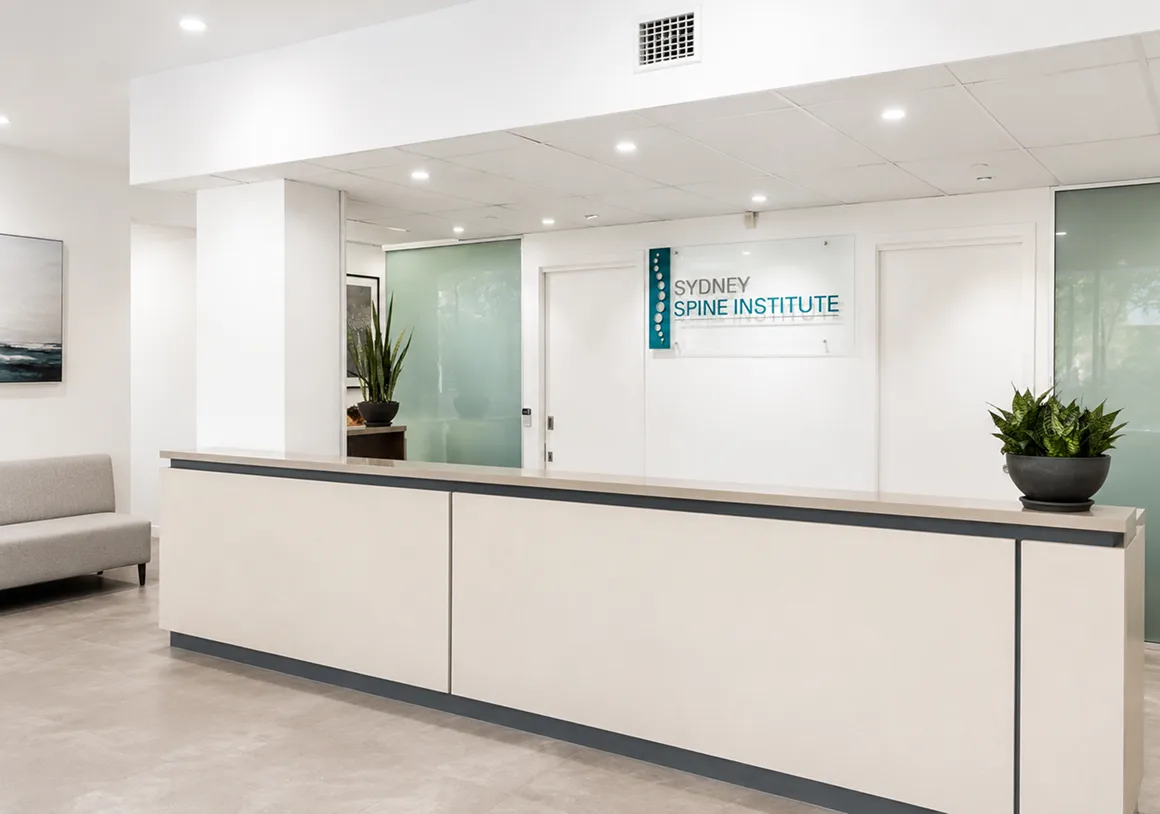
Specialist Surgical Assessment for Spinal and Neurological Conditions
The neurosurgical service at Sydney Spine Institute is led by Professor James van Gelder, an experienced neurosurgeon with expertise in complex spinal and neurosurgical conditions.
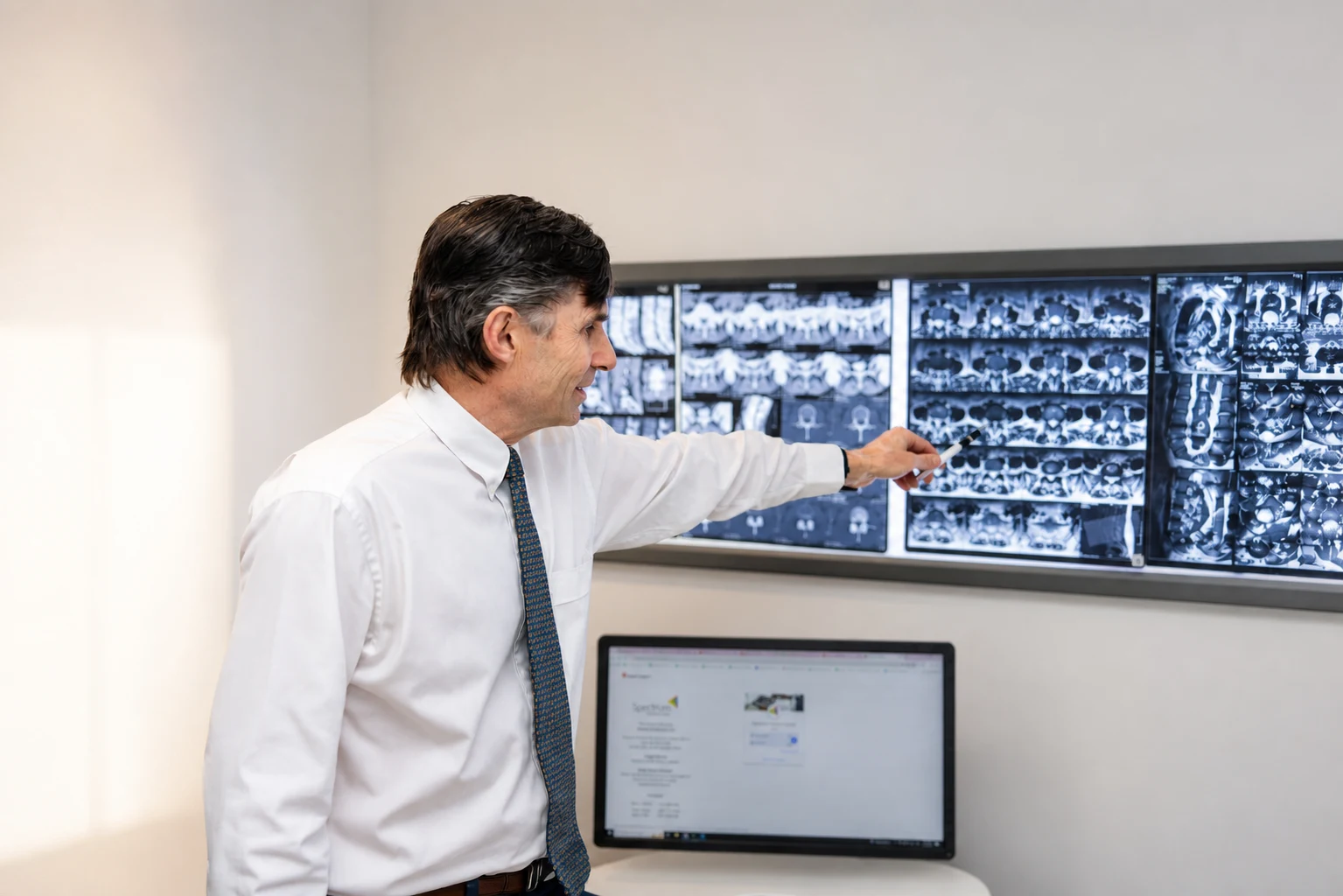
Conditions We Assess and Treat
While surgery can play an important role in the treatment of certain conditions, most spinal problems do not require an operation. Careful assessment is essential to determine whether surgery is likely to provide meaningful benefit and what alternative treatment options may be available.
Professor van Gelder provides clear, evidence-based advice regarding diagnosis, treatment options, expected outcomes, potential risks, and recovery considerations, helping patients make informed decisions about their care.
Our neurosurgical service provides assessment and management of a broad range of spinal, neurological, and peripheral nerve conditions. Recommendations are based on a combination of symptoms, clinical examination findings, imaging, and individual patient circumstances.
- Brain tumours
- Hydrocephalus
- Cerebral aneurysms
- Intracranial haemorrhage
- Head trauma
- Pituitary tumours
- Other neurological conditions requiring neurosurgical assessment
- Disc herniation causing nerve compression
- Sciatica and radiculopathy
- Spinal canal stenosis
- Cervical myelopathy
- Spondylolisthesis and spinal instability
- Degenerative spinal conditions
- Spinal tumours
- Spinal fractures and trauma
- Complex revision spinal surgery
- Carpal tunnel syndrome
- Ulnar nerve compression
- Peripheral nerve entrapment syndromes
- Nerve injuries
Our Approach to Surgical Decision-Making
Deciding whether surgery is appropriate requires careful consideration of the diagnosis, symptom severity, impact on daily life, previous treatments, and the likely balance of benefits and risks.
At Sydney Spine Institute, surgical recommendations are guided by evidence, clinical expertise, and shared decision-making.
Evidence-Based Decision Making
Treatment recommendations are guided by current evidence, clinical assessment findings, imaging results, and the individual needs of each patient.
Surgery Only When Appropriate
Surgery is recommended only when there is a clear clinical indication and a reasonable expectation that it will improve symptoms, function, or quality of life.
Clear Communication & Shared Decision-Making
Patients receive clear information about the likely benefits, risks, alternatives, recovery expectations, and areas of uncertainty before making treatment decisions.
Focus on Minimally Invasive Techniques
When surgery is recommended, we focus on minimally invasive techniques. Where possible, we aim to avoid fusion surgery using simpler, less invasive procedures.
Integrated Rehabilitation Support
Surgery is only one part of the recovery journey. Patients may also benefit from physiotherapy, exercise physiology, pain coaching, or medical management before and after surgery.
When Surgery May Not Be Required
Many Spinal Conditions Can Be Managed Without Surgery
Many patients referred for spinal assessment improve through a combination of education, rehabilitation, exercise therapy, medication management, lifestyle modification, and other non-surgical treatments.
Where surgery is unlikely to provide meaningful benefit, patients may be directed towards our Spine Physician, Spine Physiotherapy, Exercise Physiology, Pain Coaching, or Metabolic Health services to ensure they receive the most appropriate care.
Our Care Pathway
We take a patient-centred, multidisciplinary approach, working together to deliver the right care at the right time, helping you achieve the best possible outcome.
Certain neurosurgical and spinal conditions require urgent assessment.
For emergencies, call 000 or attend your nearest Emergency Department.
These include:
- Progressive weakness
- Significant loss of function
- Spinal cord compression
- Cauda equina syndrome
- Severe neurological deficits
- Unstable spinal fractures
- Other urgent neurosurgical conditions
Our referral triage process helps identify urgent cases and prioritise appointments accordingly.

Neurosurgeon & Spine Surgeon
Professor James van Gelder
Professor James van Gelder is an experienced neurosurgeon with expertise in complex spinal, brain and peripheral nerve conditions. He has more than 30 years of experience across major public and private hospitals where he has held senior leadership positions contributing to the improvement of the standard of neurosurgical care in Australia.
His approach combines evidence-based decision-making, prioritising of the least invasive approaches, and clear communication to help patients understand their options and make informed treatment decisions.
Preparing for Your Appointment
Providing relevant information before your consultation helps ensure appointments are appropriately prioritised and allows our team to review your case in advance.
Please provide:
- Current referral letter
- Relevant MRI or CT reports
- Relevant specialist letters
- Completed appointment request form
Our team reviews this information to determine appointment priority and ensure urgent cases are identified promptly.
- Medicare or DVA card details
- Concession card details (if applicable)
- Private health fund details (if applicable)
- Workers compensation or CTP claim details (if applicable)
- Referral letter
- Radiology reports and imaging
- Letters from other specialists involved in your care
Related Services
Request a Consultation
Request a consultation or contact our team if you are unsure which service is right for you.