
Spinal Tumours
Spinal tumours may cause persistent back or neck pain, weakness, numbness, problems with walking or changes in bladder or bowel function. Their effects depend mainly on their location and whether they compress the spinal cord or nerves.
Understanding the condition
What are Spinal Tumours?
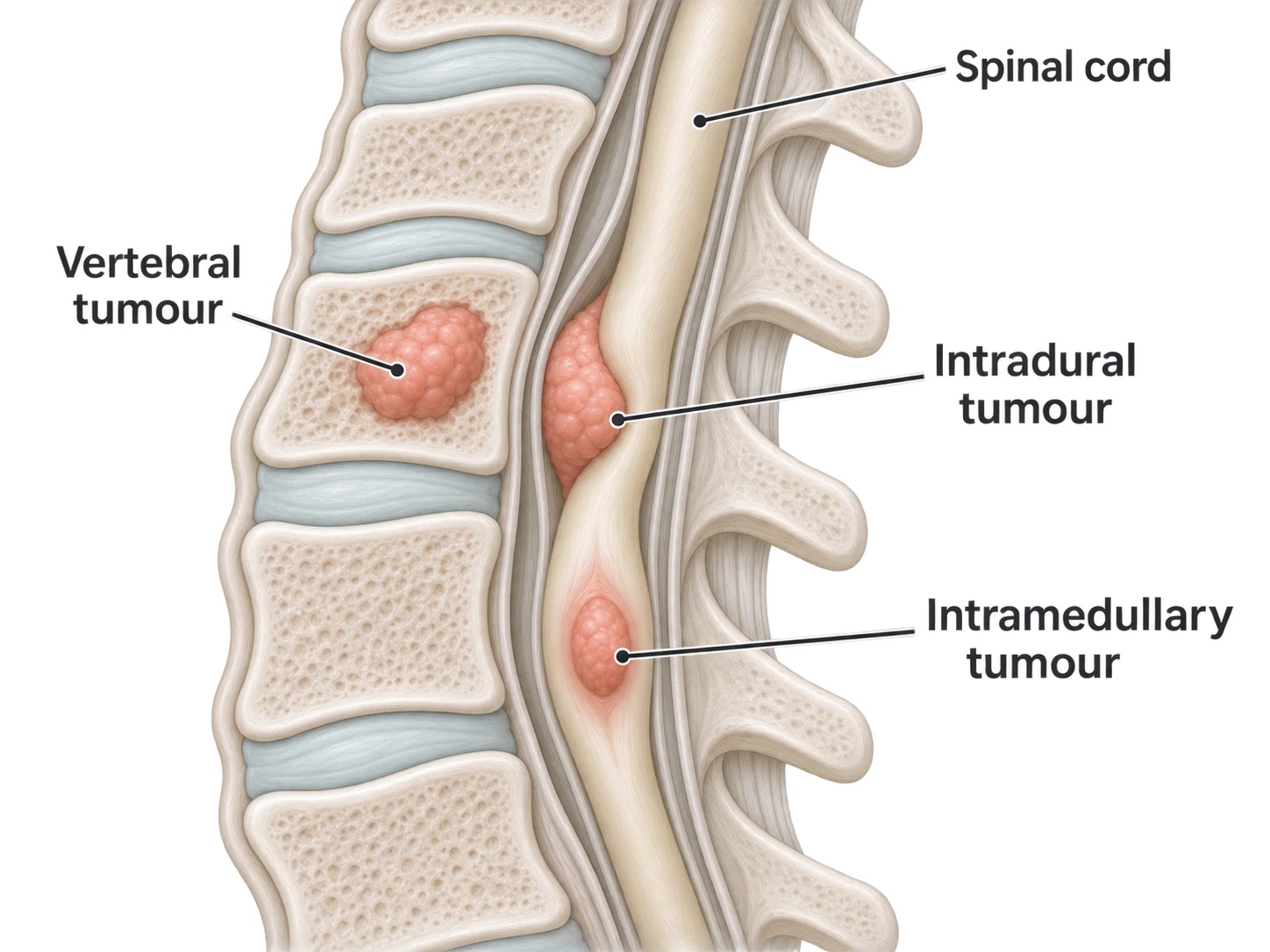
Spinal tumours are abnormal growths that develop in the bones of the spine, within the spinal cord, or in the tissues surrounding the cord and nerve roots. They may be non-cancerous (benign) or cancerous (malignant). Some begin in the spine itself; others spread to the spine from a cancer elsewhere in the body (metastases).
Not all spinal tumours cause symptoms or need immediate treatment. Others can weaken the spine or press on nerves or the spinal cord. The tumour’s type, location, growth and effect on neurological function determines what treatment is required.
Symptoms
Common symptoms of Spinal Tumours
Symptoms vary according to the tumour’s location and whether it affects the spinal cord, nerves or spinal bones. These symptoms can have many causes other than a tumour.
Hover your cursor over a symptom above to learn more.
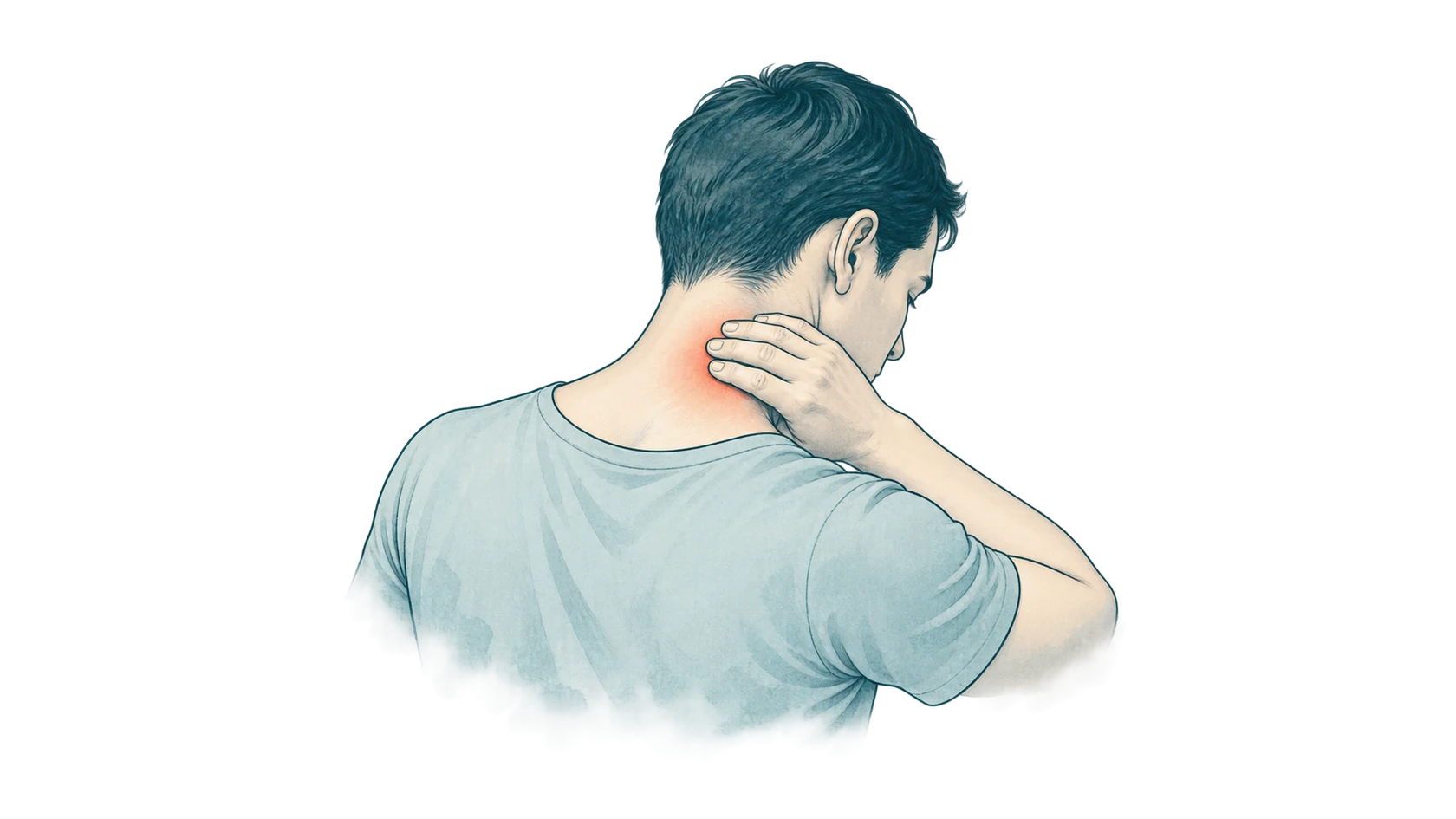
Persistent Back or Neck Pain
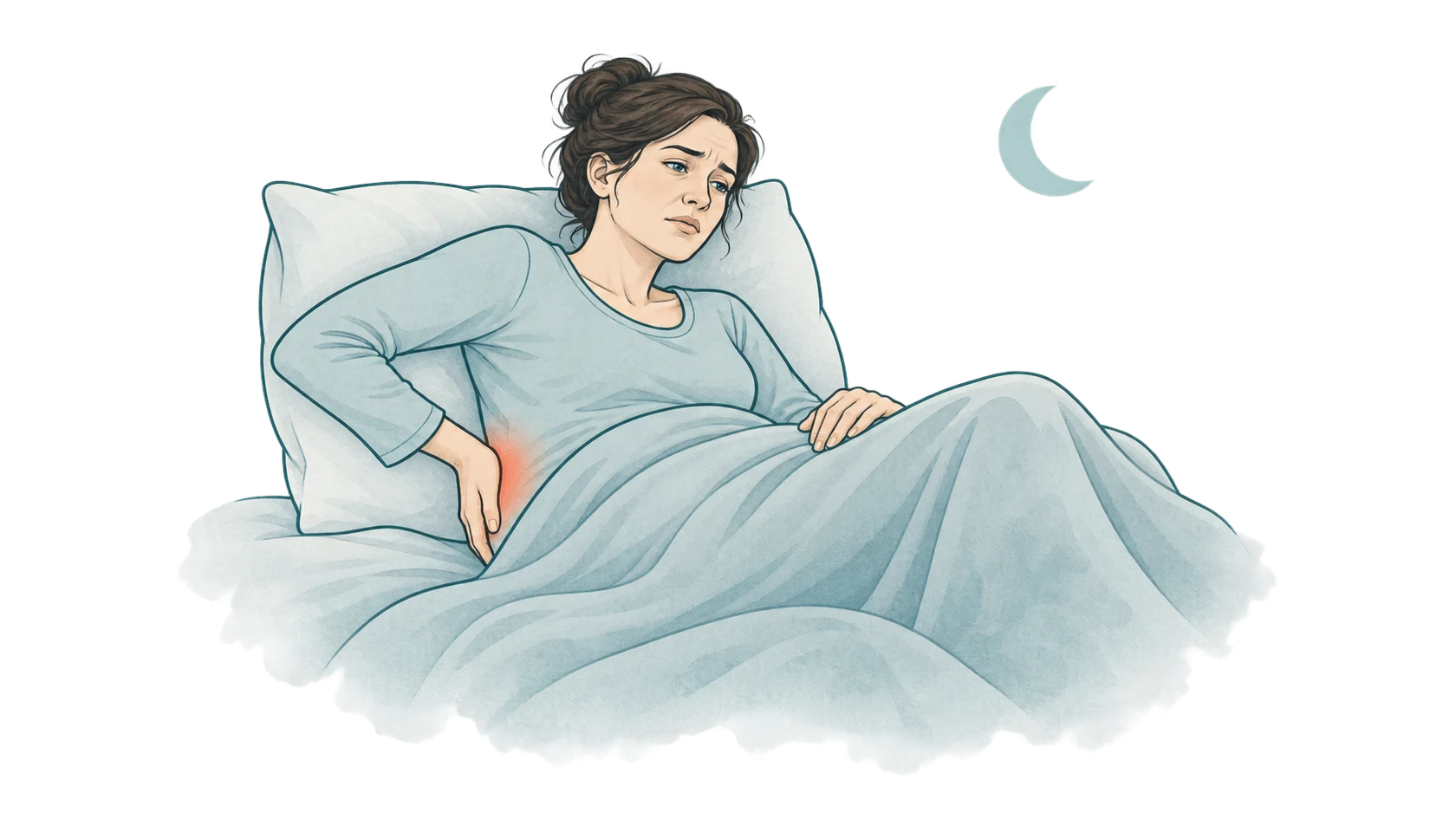
Night Pain
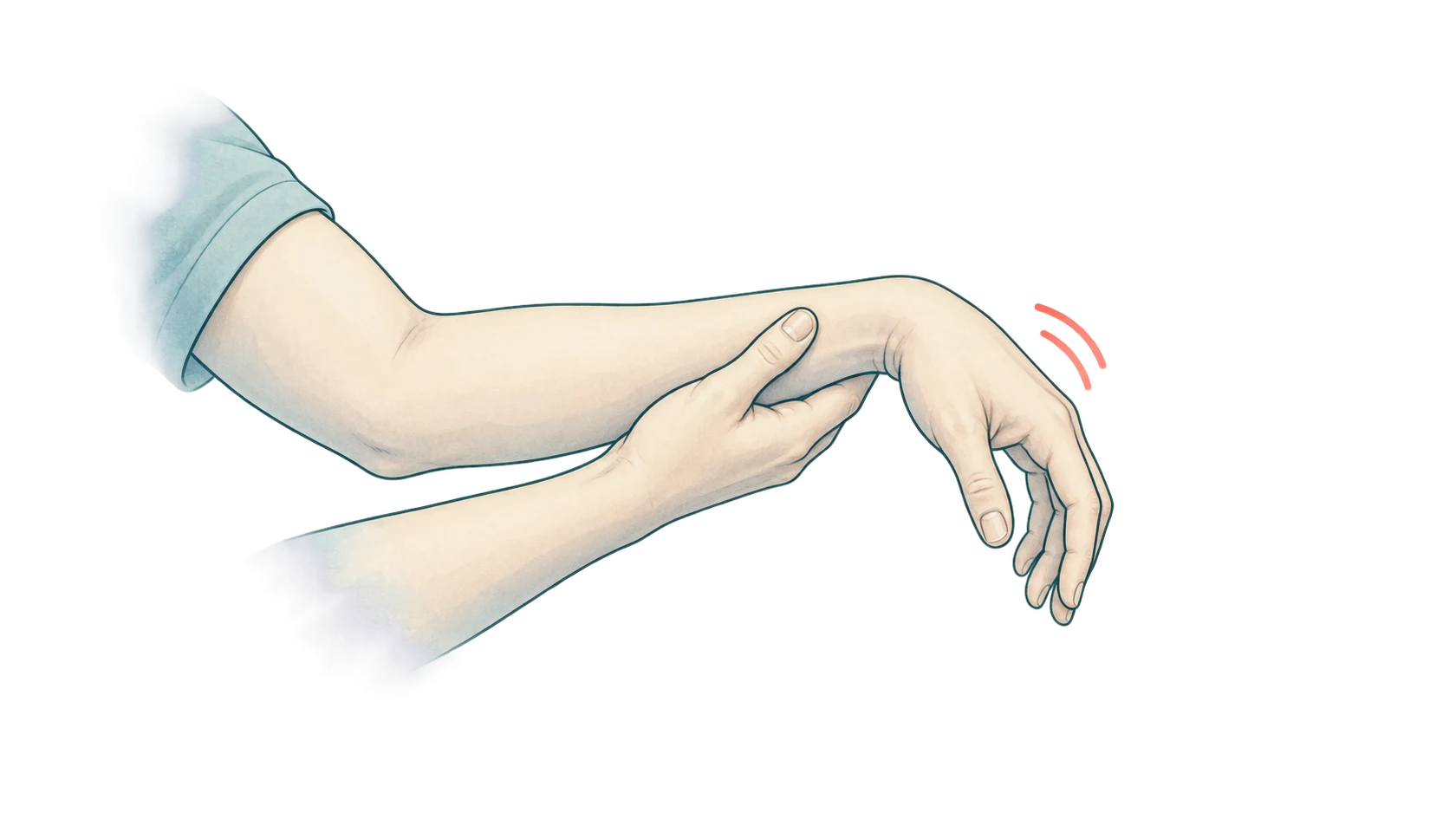
Weakness
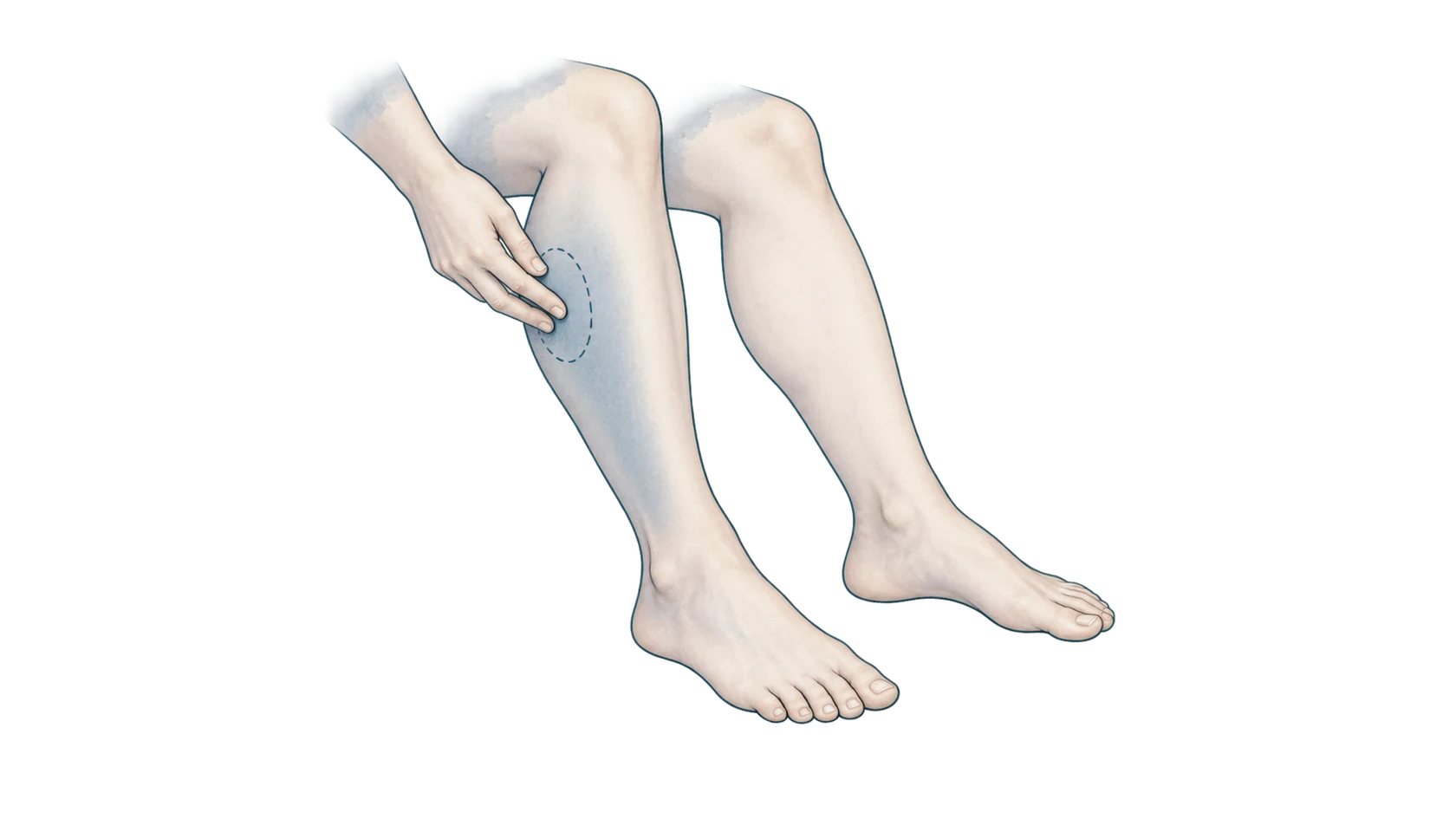
Numbness

Balance Problems
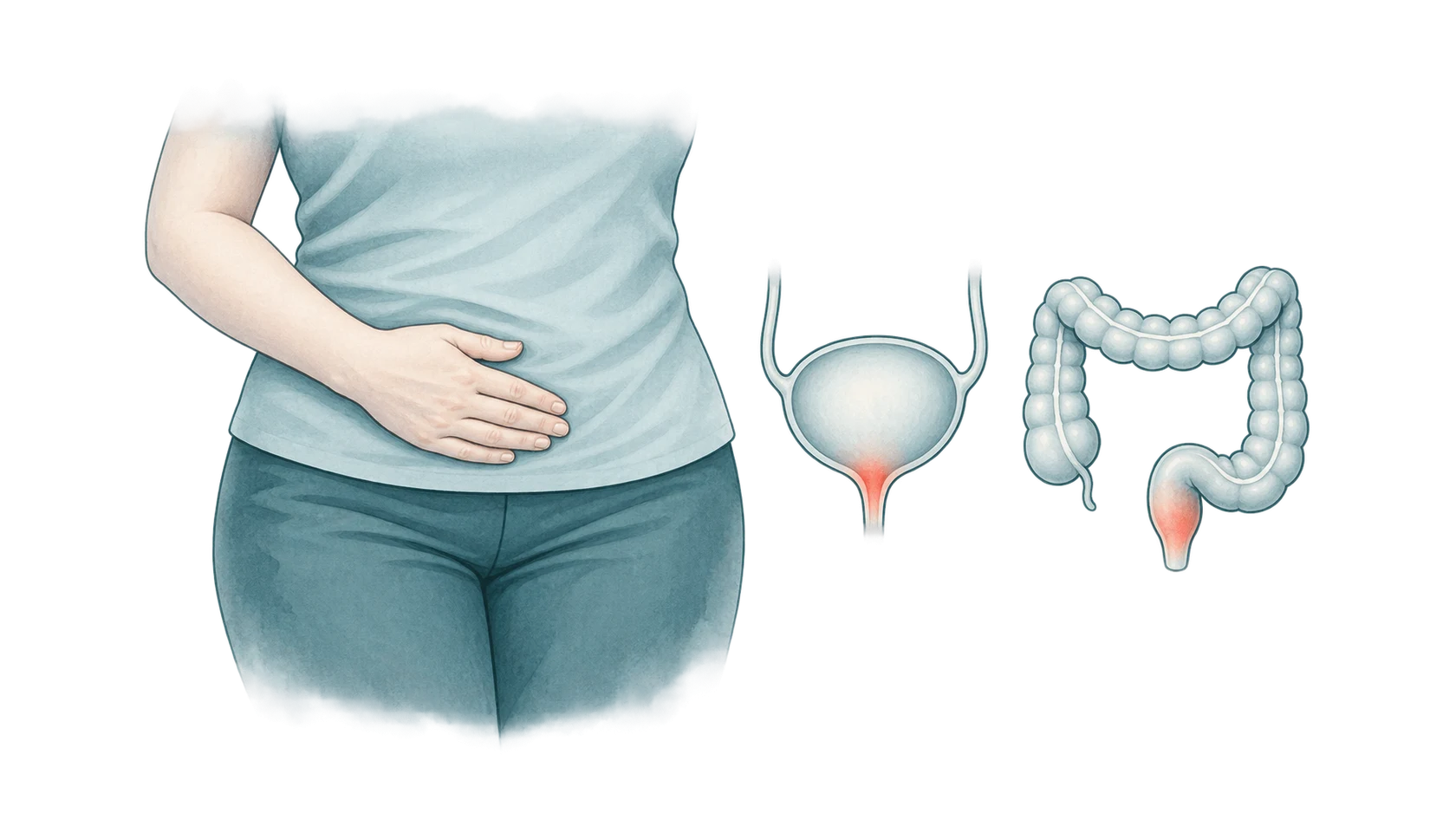
Bladder or Bowel Changes
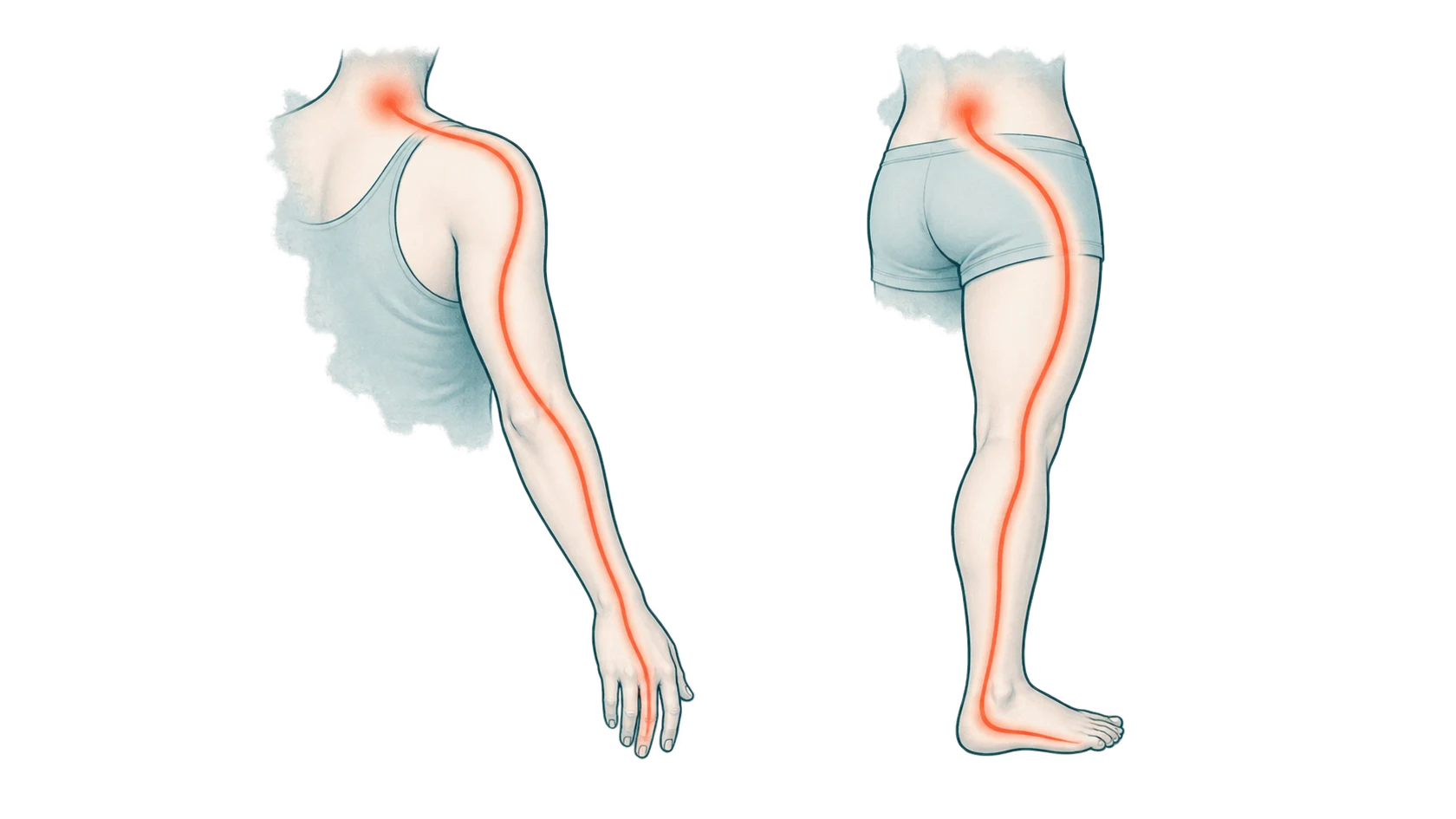
Radiating Pain

When to Seek Urgent Care
Know the Warning Signs
Many spinal tumours grow slowly and do not require emergency treatment. However, pressure on the spinal cord or nerves can occasionally cause serious symptoms.
Contact your doctor promptly if you develop increasing weakness, numbness or difficulty walking.
Attend an Emergency Department immediately if you experience:
- Rapidly worsening weakness or difficulty walking.
- New difficulty passing urine or loss of bladder or bowel control.
- New numbness around the genitals or anus.
These symptoms may indicate significant pressure on the spinal cord or nerves.
For emergencies, call 000 or attend your nearest Emergency Department.
Assessment & Imaging
How is it diagnosed?
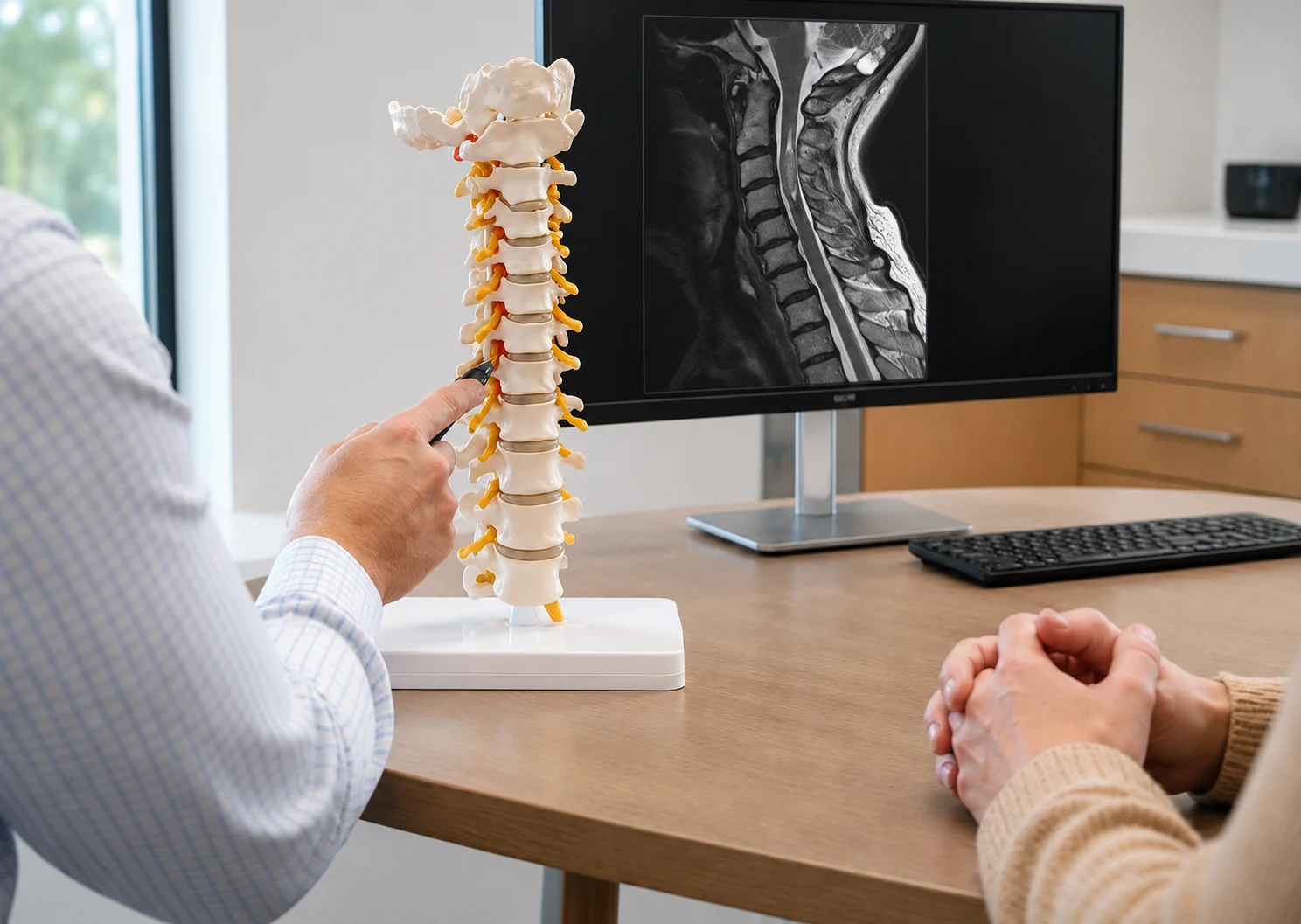
Diagnosis typically involves imaging studies to identify the tumour and assess its relationship to the spinal cord and nerves. Additional investigations may be required to determine the tumour type and guide treatment planning.
Treatment
Treatment Options
Treatment is based on the tumour type and location, your symptoms and neurological examination, the stability of the spine, and your overall health. Not every tumour requires surgery. For some patients the priority is to relieve pressure on the spinal cord or nerves; for others it is to monitor a stable lesion or treat the underlying cancer.
Some tumours may be monitored with regular imaging and specialist review.
Management may include:
- Clinical monitoring.
- Repeat imaging.
- Investigation of underlying causes.
- Multidisciplinary review ( discussion between neurosurgical, oncology, pathology an radiology specialist).
When treatment is required, one or more approaches may be recommended:
- Surgery — to obtain a diagnosis or remove a suitable tumour.
- Radiotherapy — to control or reduce size of suitable tumours.
- Chemotherapy or targeted treatment where appropriate for the tumour type.
- Rehabilitation and symptom care — to support mobility, pain control and independence.
Care is usually planned jointly by neurosurgeons, oncologists and other specialists.
Related Services
Associate Professor van Gelder offers specialist assessment, investigation, and treatment of spinal tumours.
Concerned About a Possible Spinal Tumour?
Our team provides comprehensive assessment, investigation, and treatment for patients with spinal tumours and other complex spinal conditions.