
Brain Tumours
A brain tumour can affect movement, speech, vision, balance, memory or behaviour, and may sometimes cause seizures. Not all brain tumours are cancerous, and not every tumour needs immediate surgery. Treatment depends on the type of tumour, its location and how it is affecting you.
Understanding the condition
What are Brain Tumours?
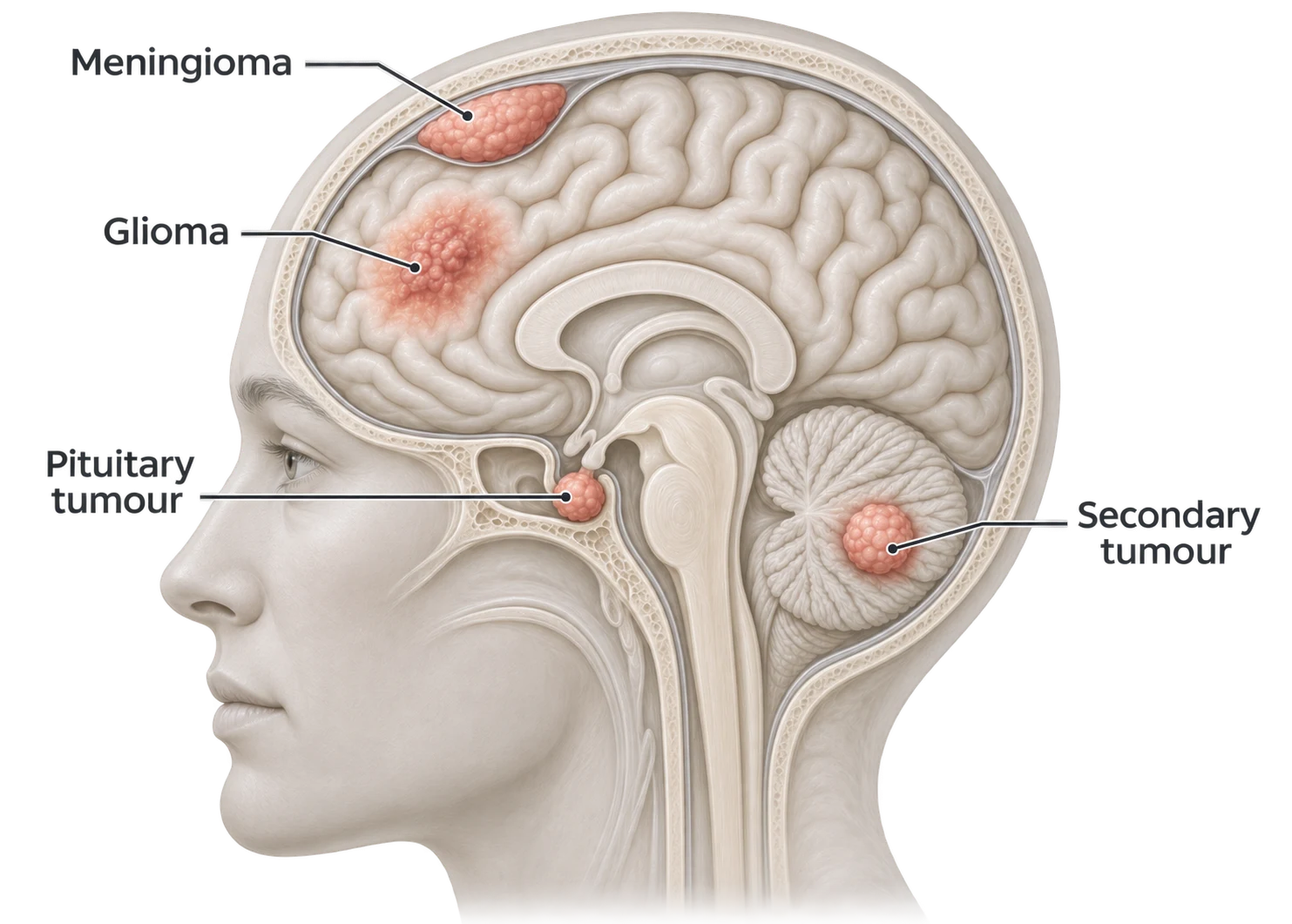
A brain tumour is an abnormal growth in the brain or the tissues surrounding it. Some tumours are non-cancerous (benign) and may grow slowly. Others are malignant and can grow more quickly or invade nearby brain tissue. Even a benign tumour can cause problems if it presses on important structures.
There are several types. Meningiomas arise from the membranes around the brain and are often benign. Gliomas develop from cells within the brain and range from slower-growing tumours to aggressive forms such as glioblastoma. Brain metastases occur when cancer from elsewhere in the body spreads to the brain.
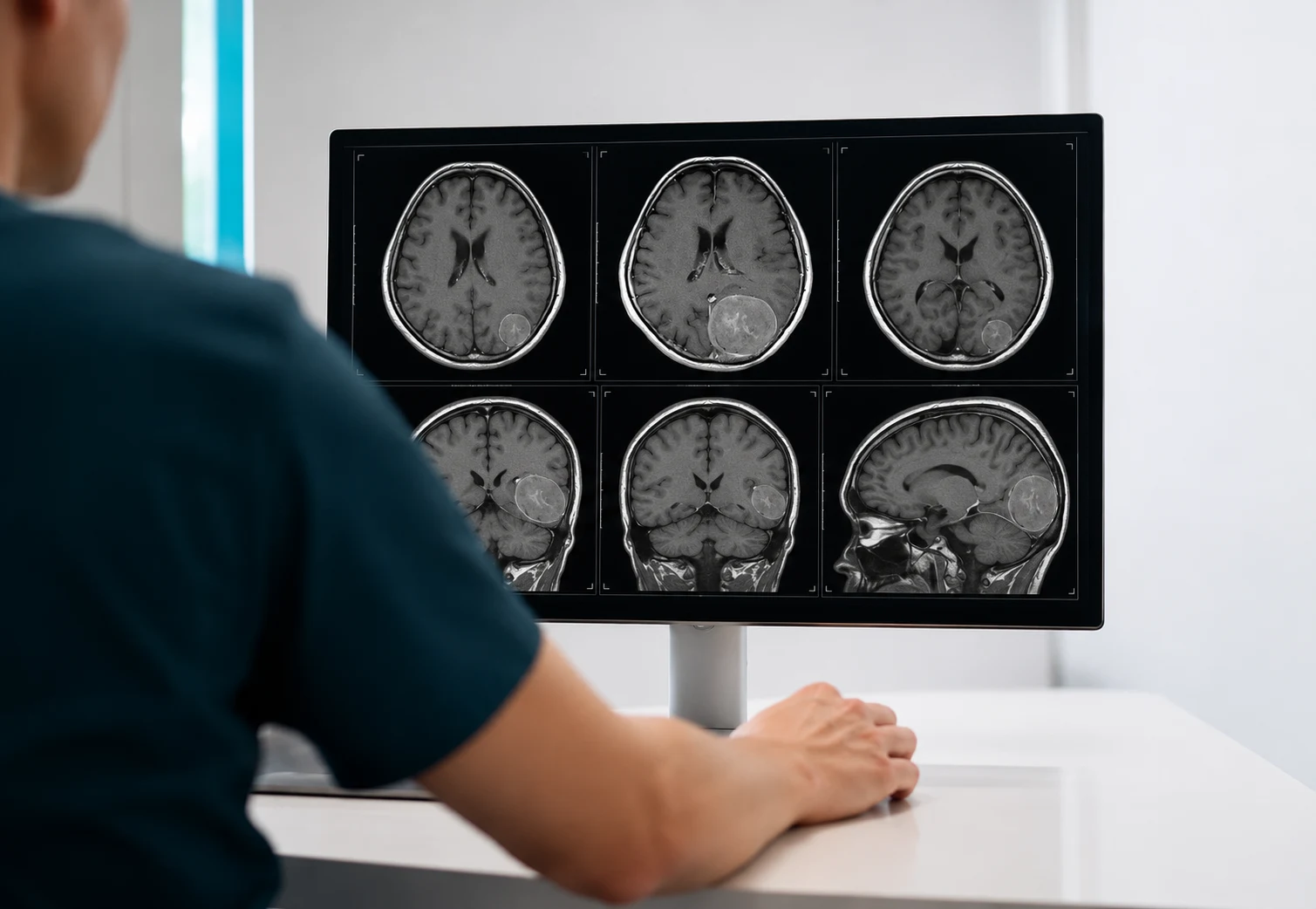
The effects of a tumour depend on its type, size, location and growth. A scan can provide important clues, but sometimes a tissue sample is needed to establish the diagnosis and plan treatment.
Symptoms
Common symptoms of a Brain Tumour
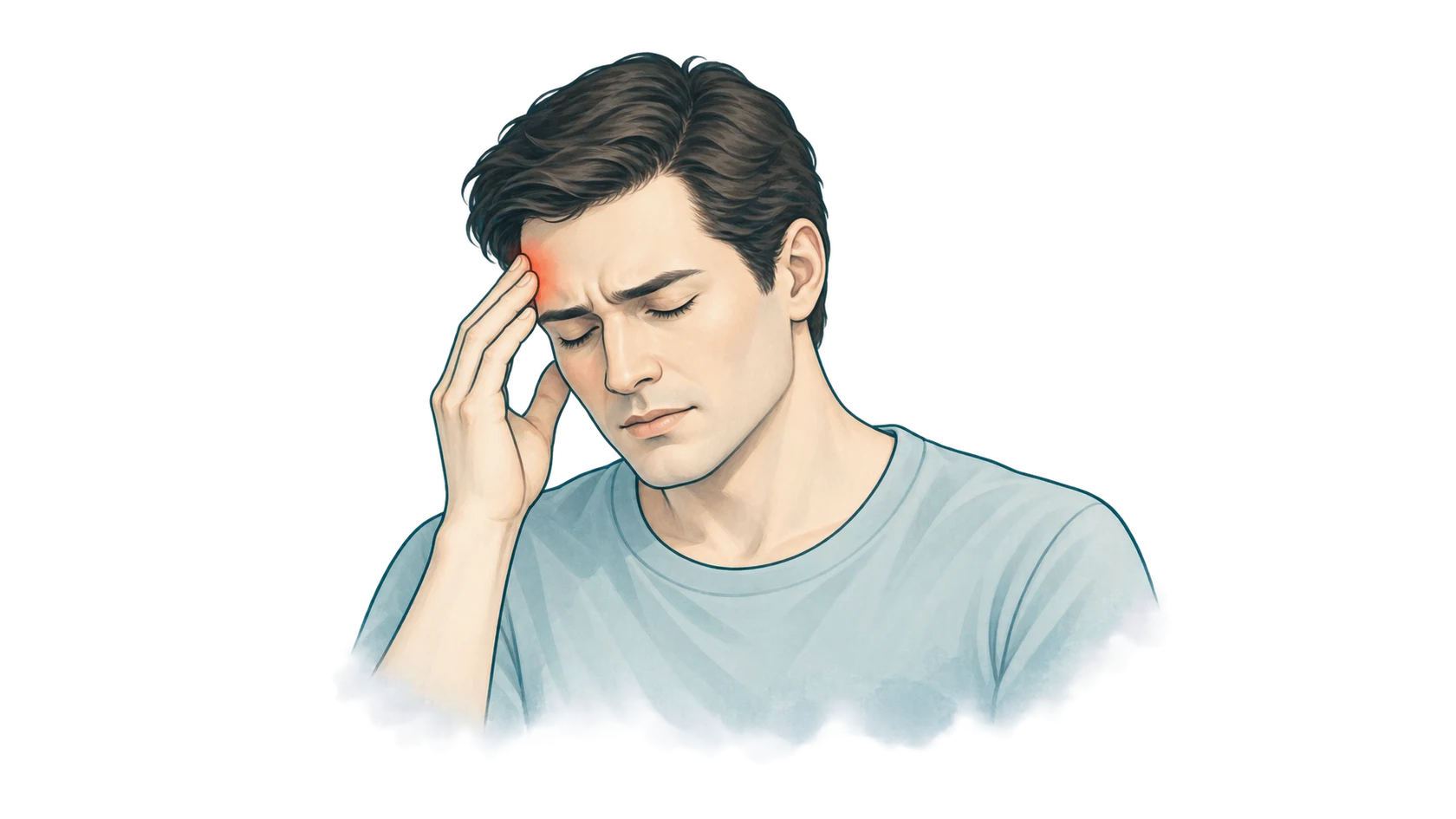
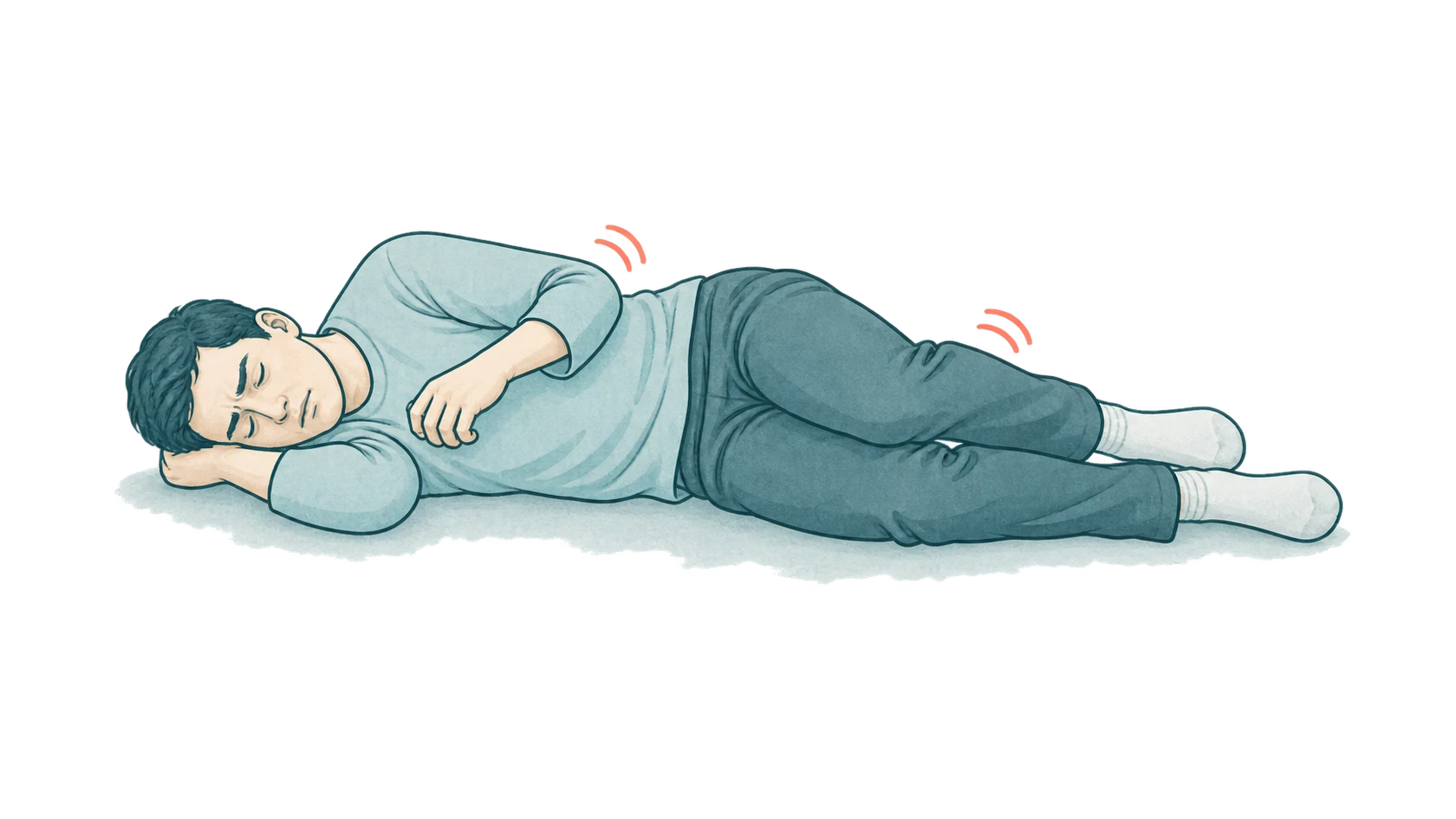
Symptoms vary widely. Some people have few or no symptoms, while others develop new or gradually worsening problems. These symptoms can also have causes unrelated to a brain tumour.
Hover your cursor over a symptom above to learn more.
Headaches
Seizures
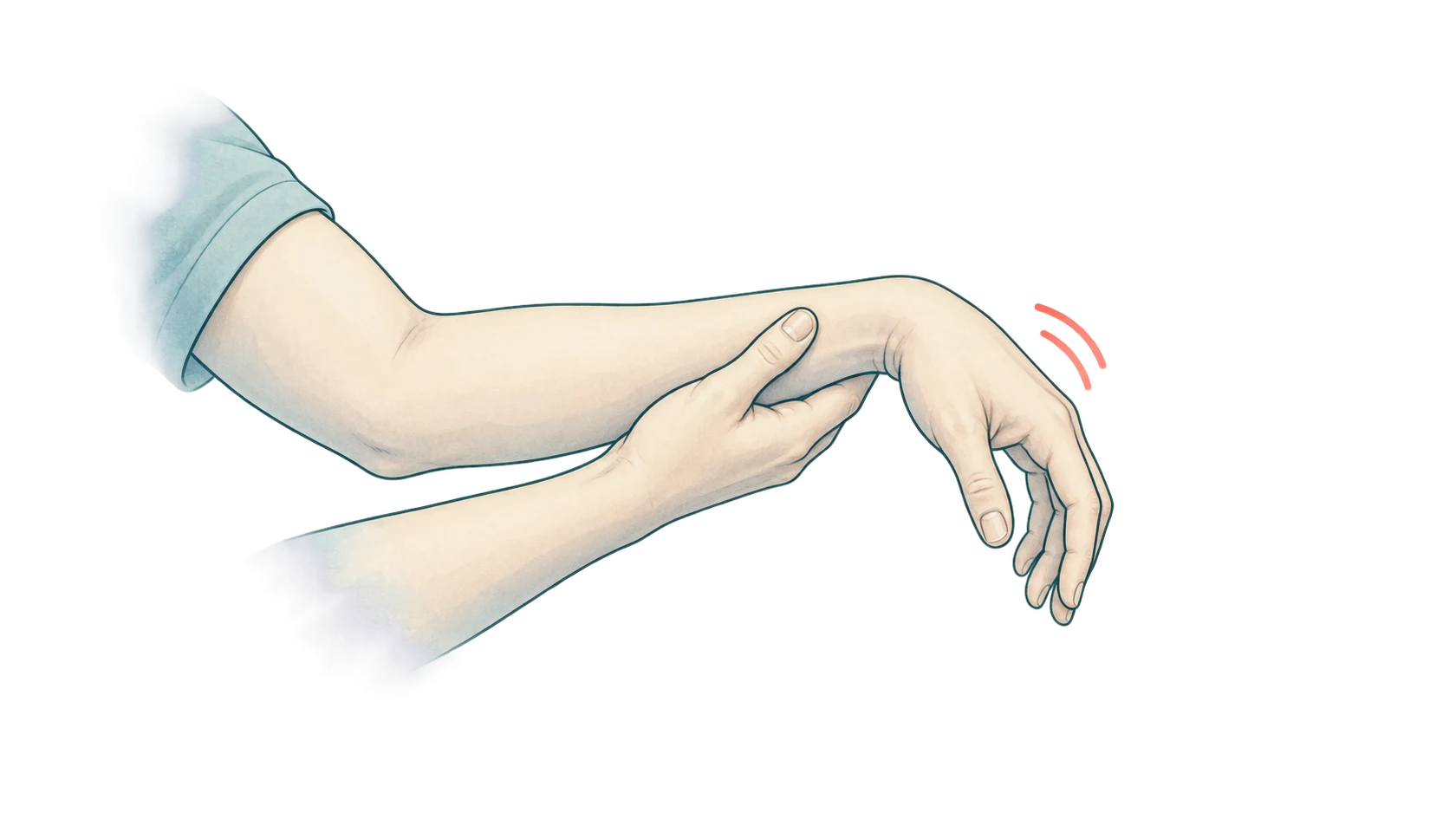
Weakness
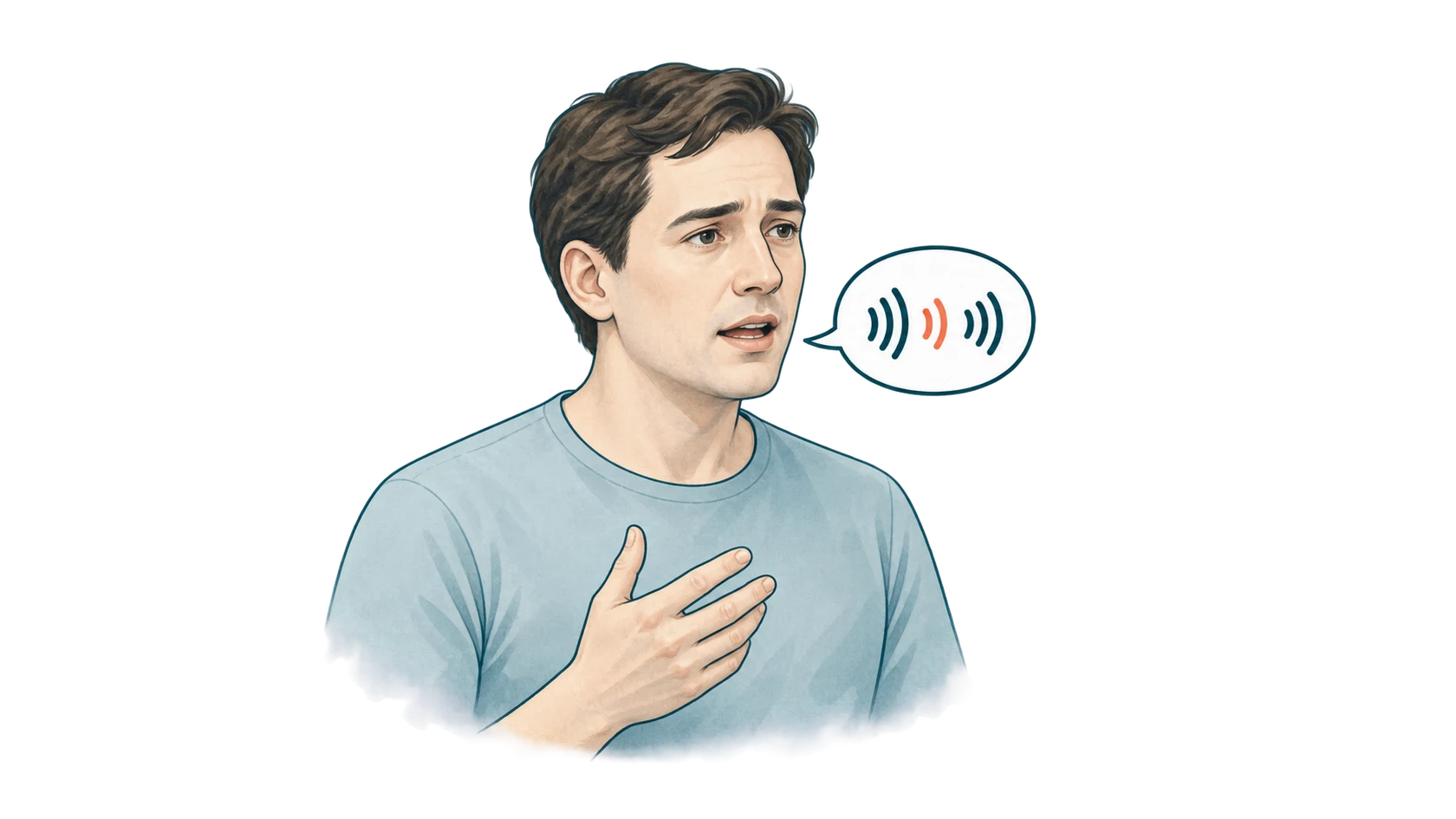
Speech Difficulties
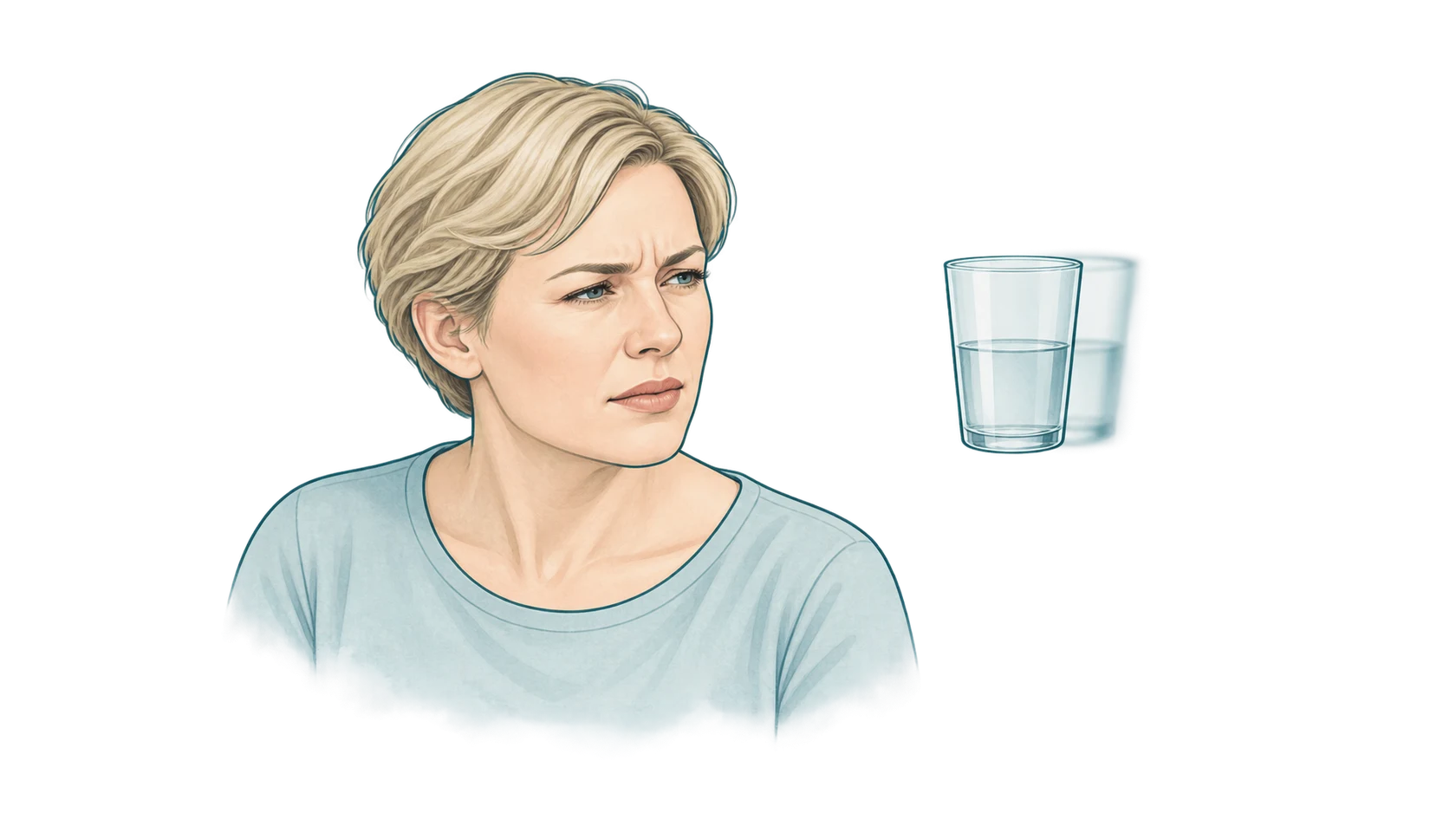
Vision Changes
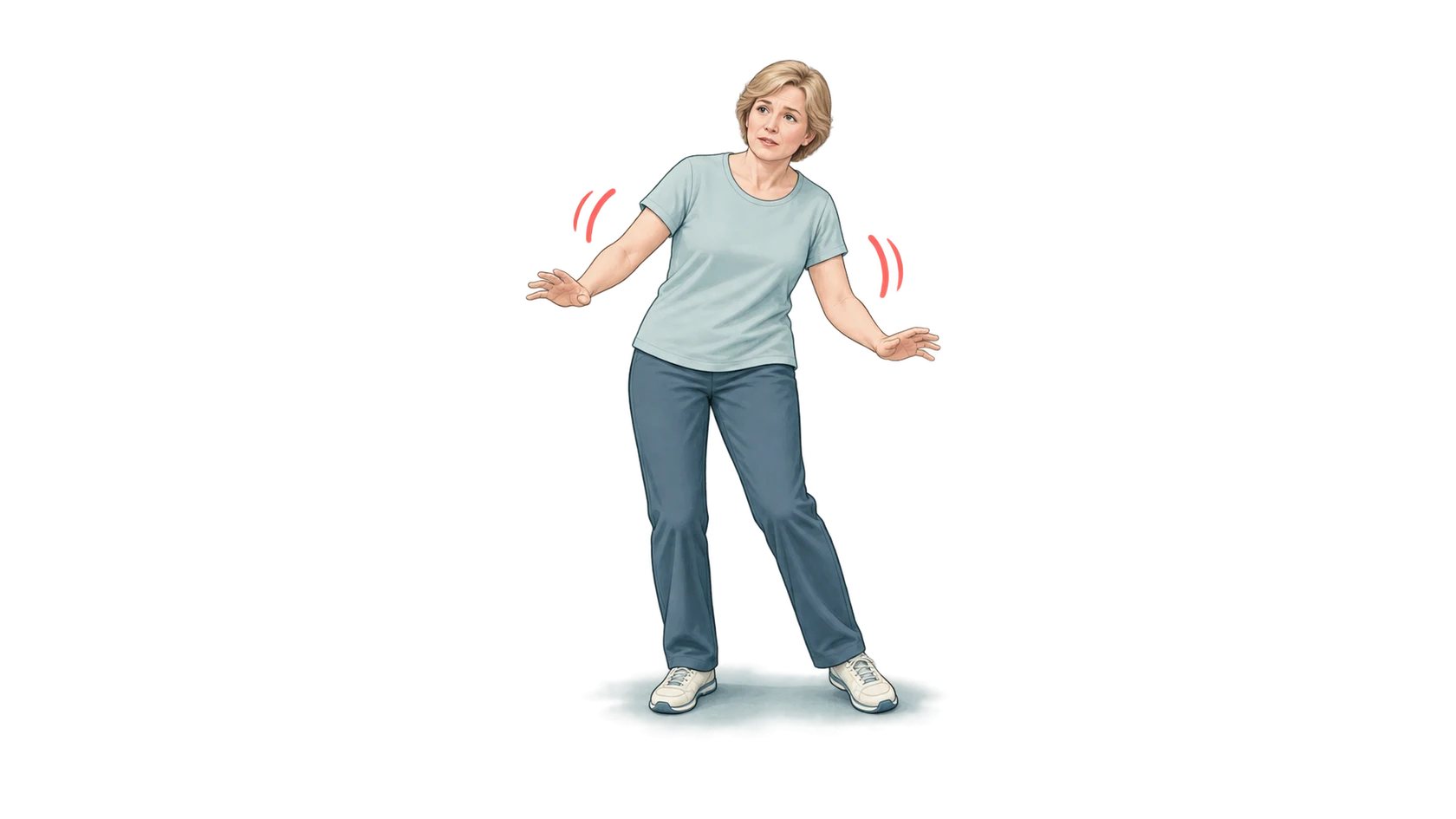
Balance Problems
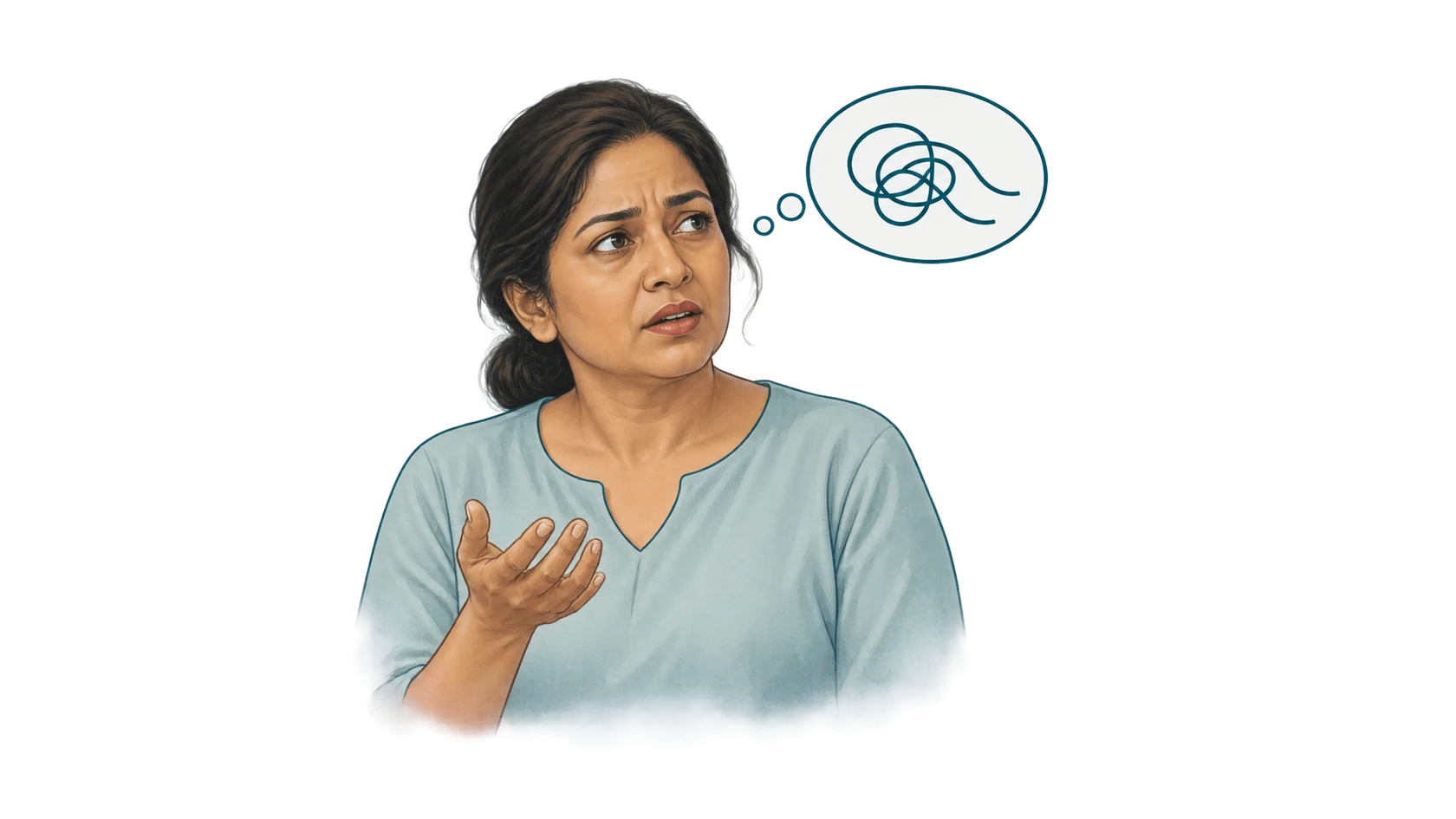
Cognitive Changes

When to Seek Urgent Care
Know the Warning Signs
Many brain tumours grow slowly and do not require emergency treatment. However, some symptoms need prompt medical attention.
Seek urgent medical care if you experience:
- Sudden weakness in the face, arm or leg.
- A first seizure.
- Sudden difficulty speaking or understanding speech.
- Sudden loss of vision.
- New confusion or reduced consciousness.
These symptoms can have several causes and should be assessed without delay.
For emergencies, call 000 or attend your nearest Emergency Department.
Assessment & Imaging
How is it diagnosed?
Diagnosis typically involves neurological assessment and brain imaging. In some cases, a biopsy or surgery may be required to determine the exact tumour type and guide treatment planning.
Treatment
Treatment Options
Treatment is based on your symptoms, examination findings, imaging, and how the condition affects your day-to-day life. A multidisciplinary team (neurosurgeons, oncologists, pathologists and radiologists) help plan treatment, particularly for complex tumours.
Some small, slow-growing tumours that are not causing significant symptoms can be monitored rather than treated immediately.
Monitoring may include:
- Clinical monitoring and neurological assessment.
- Repeat MRI scans.
- Further investigations.
- Multidisciplinary review.
When treatment is required, one or more approaches may be recommended:
- Surgery — to obtain a diagnosis or remove a suitable tumour.
- Radiotherapy — to control or reduce size of suitable tumours.
- Chemotherapy or targeted treatment where appropriate for the tumour type.
- Rehabilitation and symptom care — to support mobility, pain control and independence.
Care is usually planned jointly by neurosurgeons, oncologists and other specialists.
Related Services
Associate Professor van Gelder offers specialist assessment, investigation, and treatment of brain tumours.
Concerned About a Possible Brain Tumour?
Our team provides comprehensive assessment, investigation, and treatment for patients with brain tumours and other complex neurosurgical conditions.