
Brain Aneurysms
Most brain aneurysms cause no symptoms and are found during a scan for another reason. Specialist assessment helps determine whether monitoring or treatment is appropriate.
Understanding the condition
What is a Brain Aneurysm?
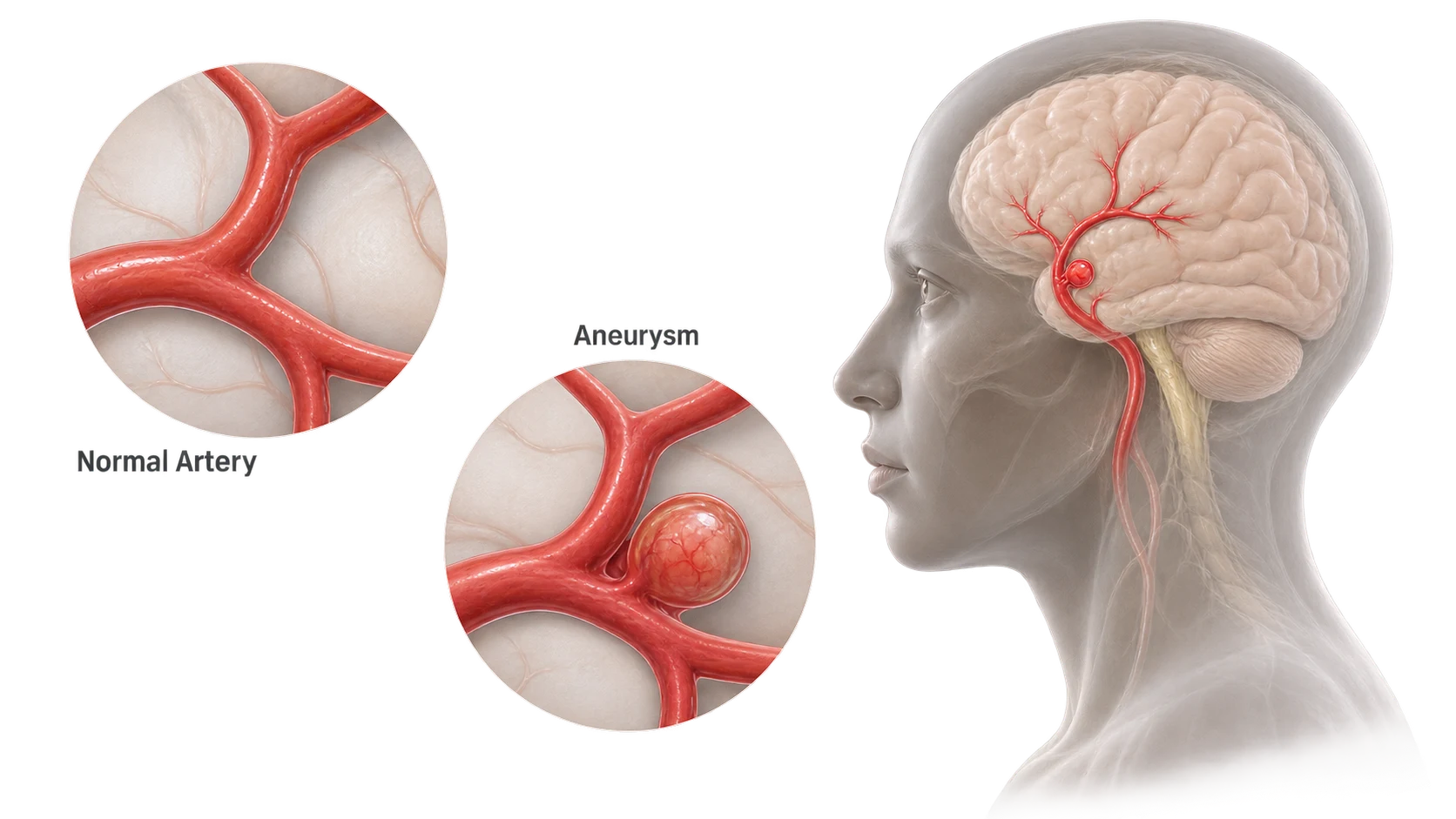
A brain aneurysm is a bulge in the wall of an artery in the brain. Many aneurysms are small, remain stable and never cause problems. Others may grow or have features that increase the risk of bleeding.
If an aneurysm ruptures, blood can escape into the space around the brain. This is called a subarachnoid haemorrhage and is a medical emergency.
Symptoms
Common symptoms of a Brain Aneurysm
Most unruptured aneurysms cause no symptoms. Occasionally, a larger aneurysm presses on nearby nerves and may cause:
Hover your cursor over a symptom above to learn more.
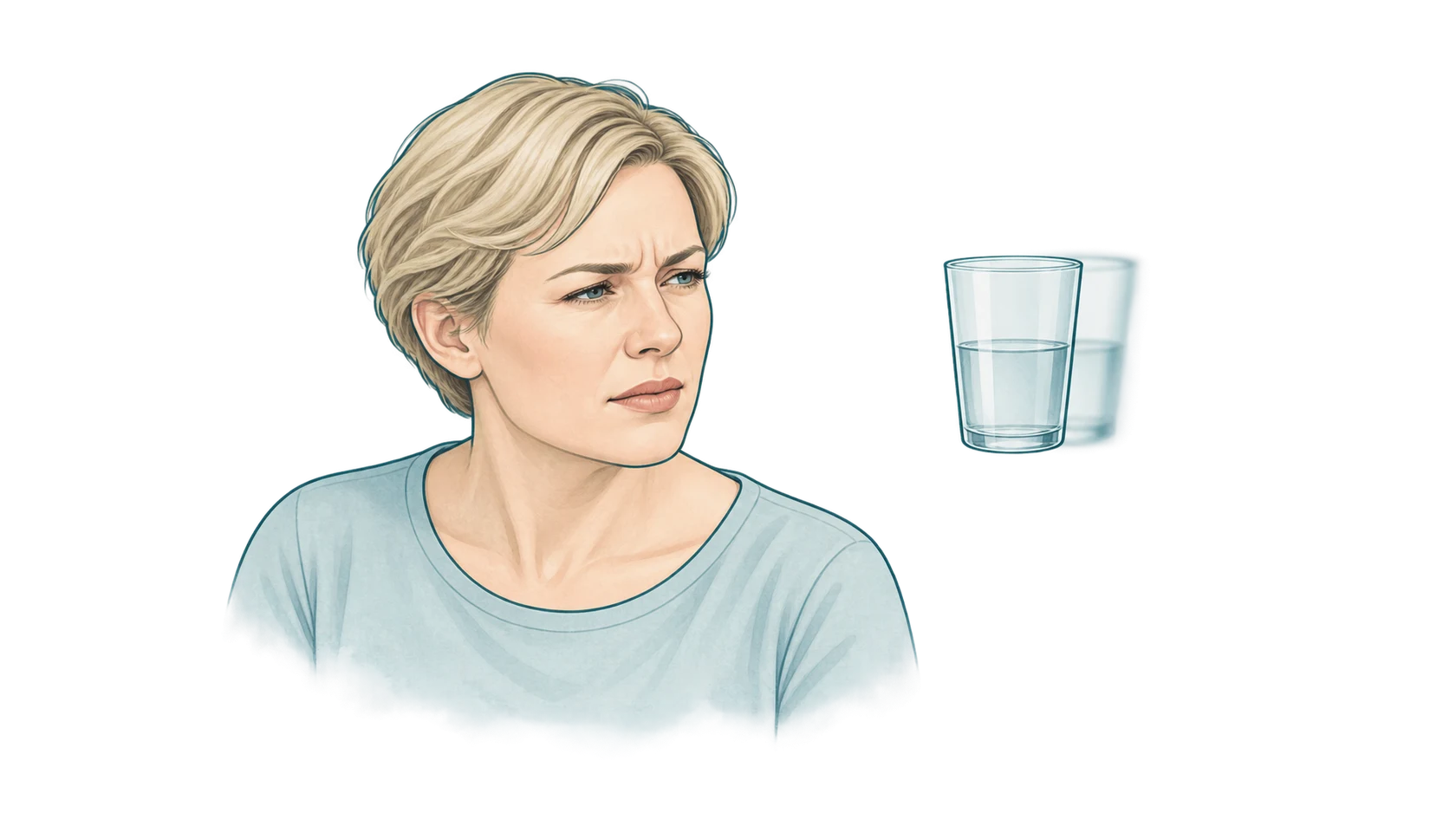
Vision Changes
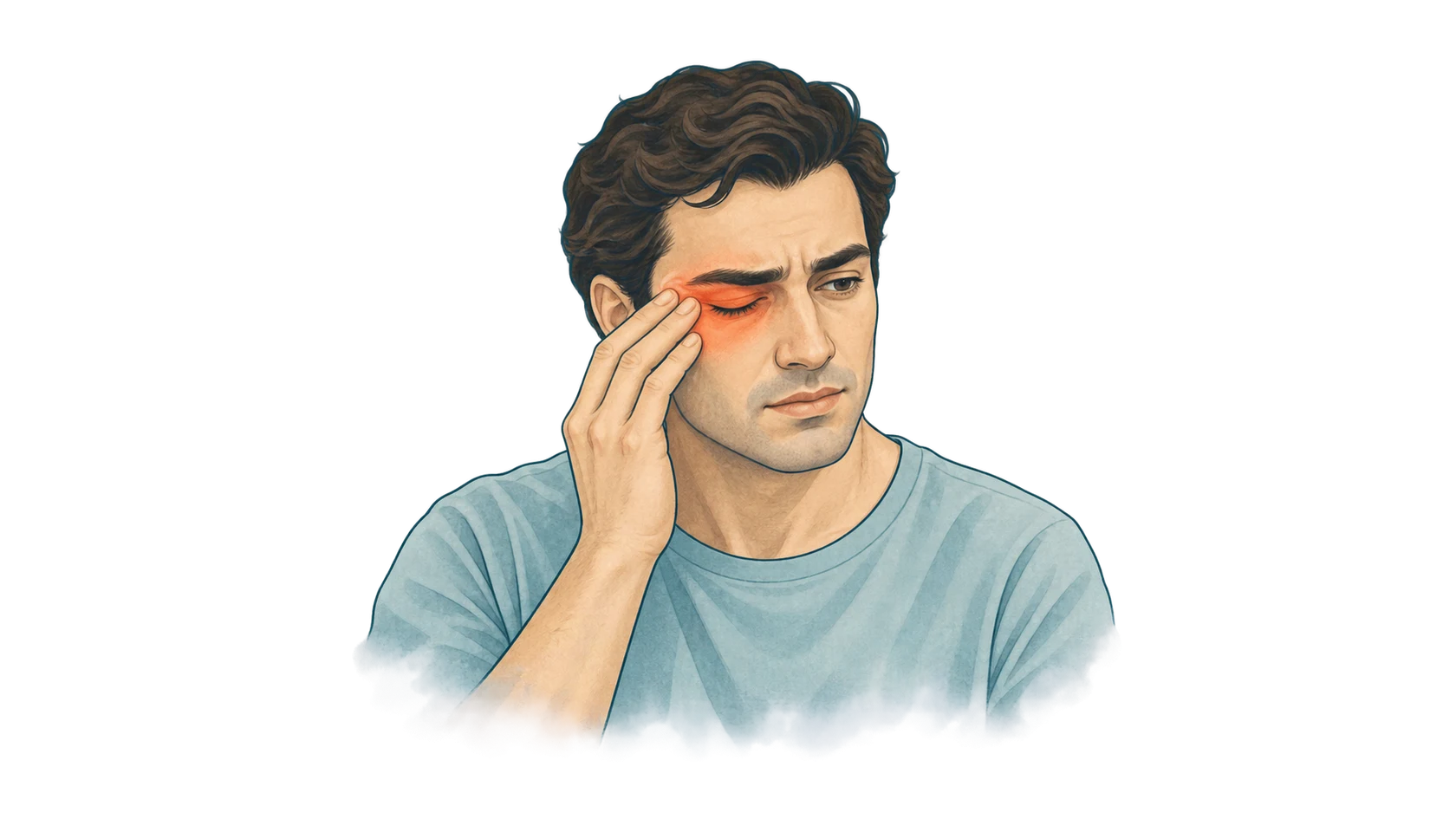
Eye Pain

Facial Numbness
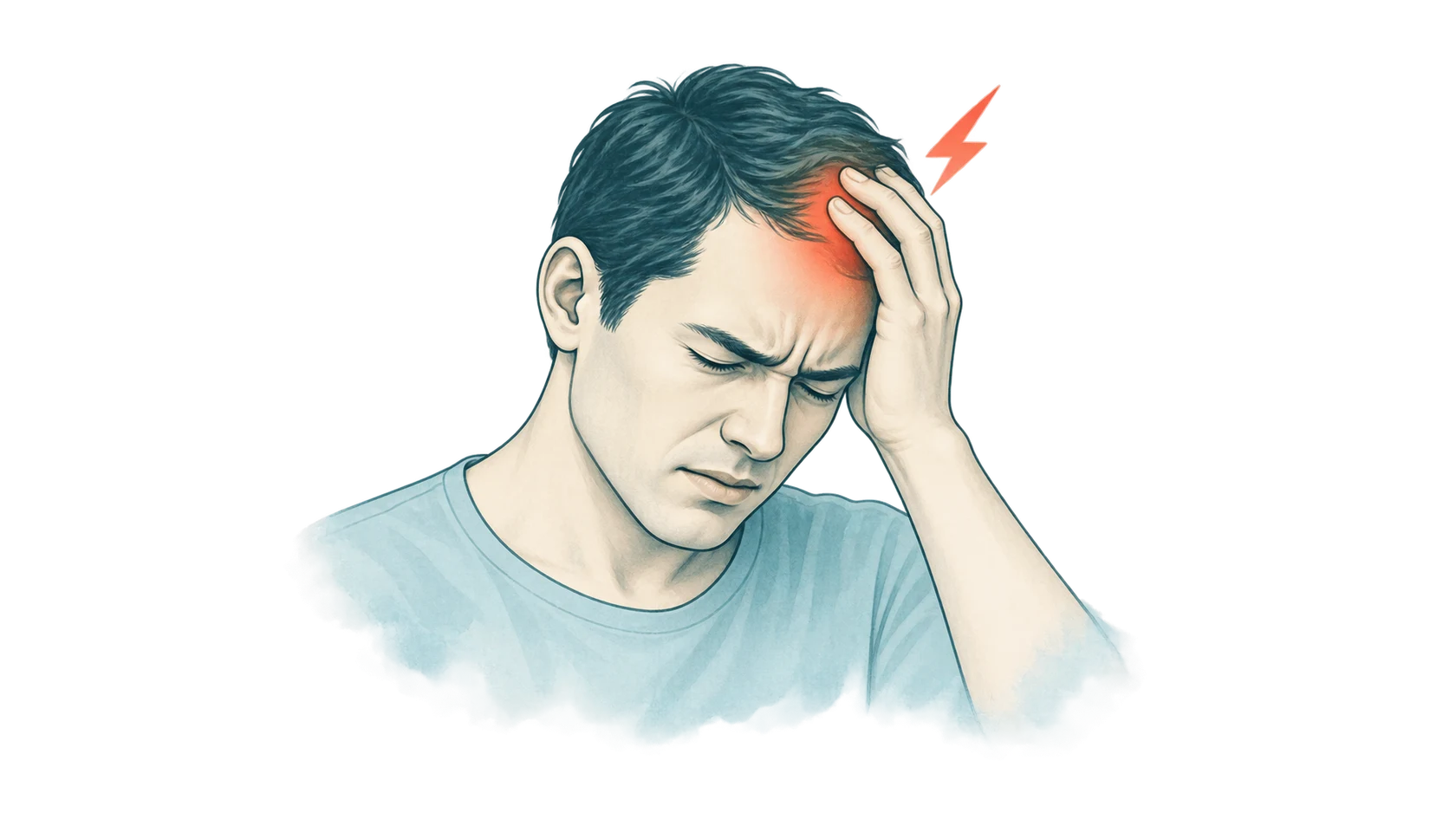
Sudden Severe Headache

Headaches

When to Seek Urgent Care
Know the Warning Signs
Call emergency services immediately if you experience:
- Sudden severe headache.
- Vomiting, neck stiffness or sensitivity to light.
- Loss of consciousness or increasing confusion.
- New weakness, difficulty speaking, seizures or sudden visual changes.
These symptoms may indicate a ruptured aneurysm and require emergency medical treatment.
For emergencies, call 000 or attend your nearest Emergency Department.
Assessment & Imaging
How is it diagnosed?
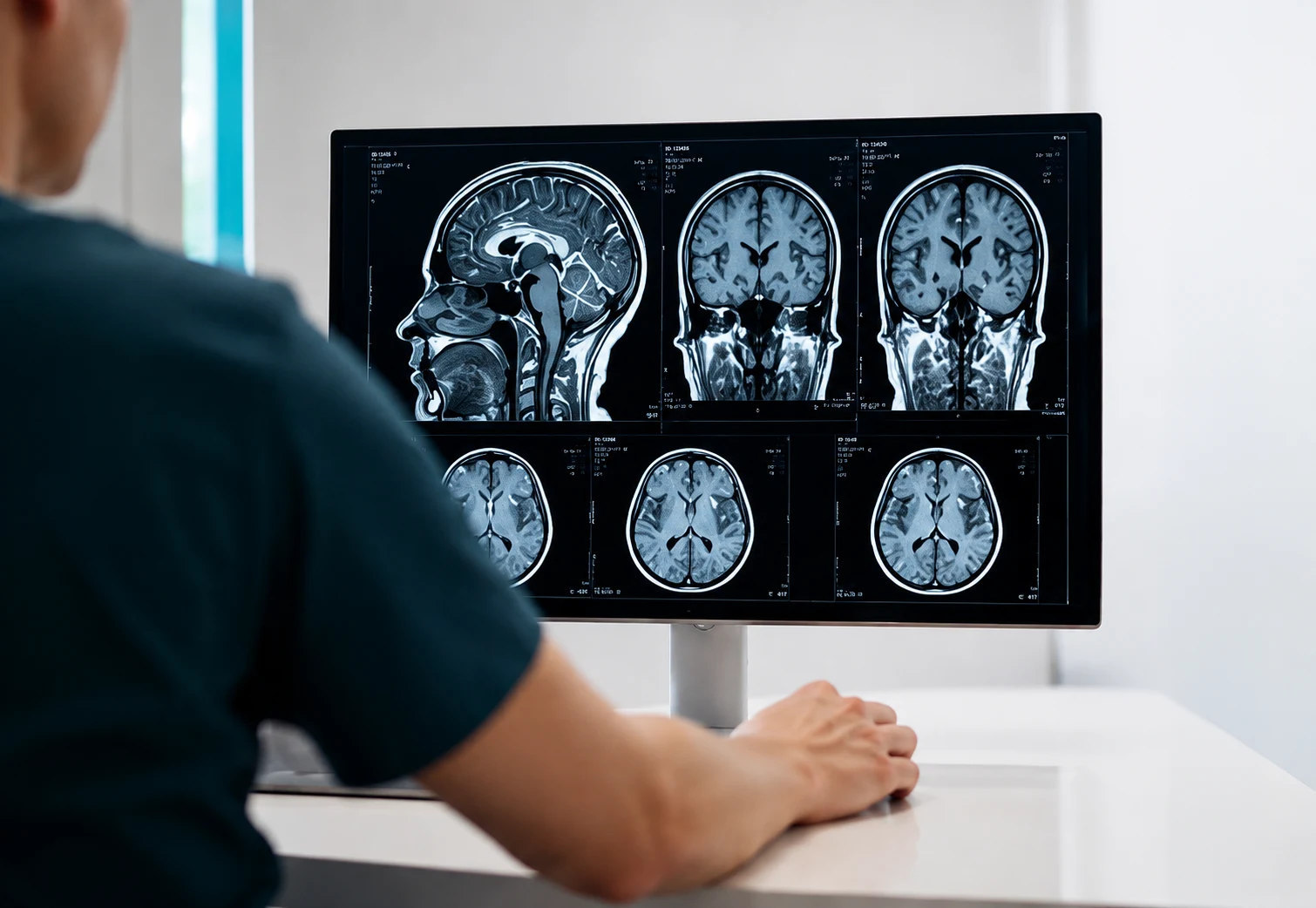
Brain aneurysms are typically diagnosed using specialised imaging that allows detailed assessment of blood vessels within the brain. These investigations help determine the size, location, and shape of the aneurysm and guide treatment recommendations.
Treatment
Treatment Options
Finding an aneurysm does not automatically mean an operation is needed. The decision weighs the estimated risk of future bleeding against the risks of preventive treatment.
Smaller, lower-risk aneurysms may be followed with:
- Repeat MRA or CTA scans.
- Risk factor modification e.g. managing high blood pressure and stopping smoking.
Treatment recommendations depend on the size, location, appearance, and estimated risk of rupture.
Treatment options may include:
- Endovascular coiling: A catheter is guided through a blood vessel into the aneurysm, where tiny coils are placed to stop blood flowing into it.
- Microsurgical clipping: placing a clip across the base of the aneurysm to stop blood entering it.
Related Services
Associate Professor van Gelder offers specialist assessment, investigation, and treatment of brain aneurysms and other cerebrovascular conditions.
Concerned About a Brain Aneurysm?
Our team provides comprehensive assessment and treatment for patients with brain aneurysms and other cerebrovascular conditions.