
Carpal Tunnel Syndrome
Carpal tunnel syndrome commonly causes tingling or numbness in the thumb and fingers, often waking people at night. When more advanced, it may affect hand strength and everyday tasks.

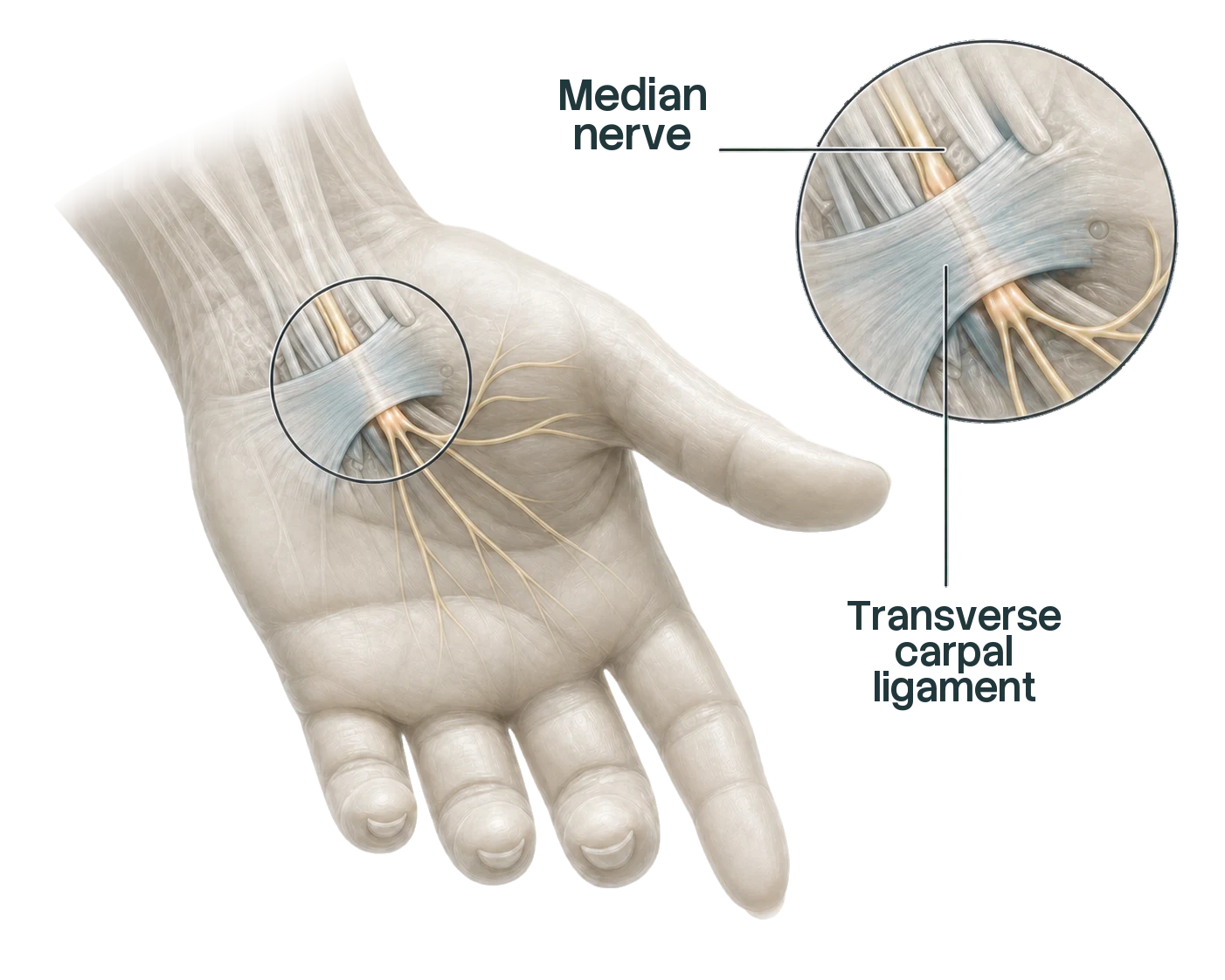
Understanding the condition
What is Carpal Tunnel Syndrome?
Carpal tunnel syndrome occurs when the median nerve is compressed as it passes through a narrow passage at the wrist, alongside the tendons that bend the fingers.
The nerve provides feeling to the thumb, index and middle fingers and part of the ring finger. The little finger is usually unaffected. It also supplies some of the muscles at the base of the thumb.
Symptoms may develop gradually, sometimes without an obvious cause. Pregnancy, diabetes, arthritis and certain medical conditions can increase the likelihood of developing carpal tunnel syndrome. Symptoms can also be aggravated by tasks involving sustained gripping or bent wrist positions.
Symptoms
Common symptoms of Carpal Tunnel Syndrome
Hover your cursor over a symptom above to learn more.
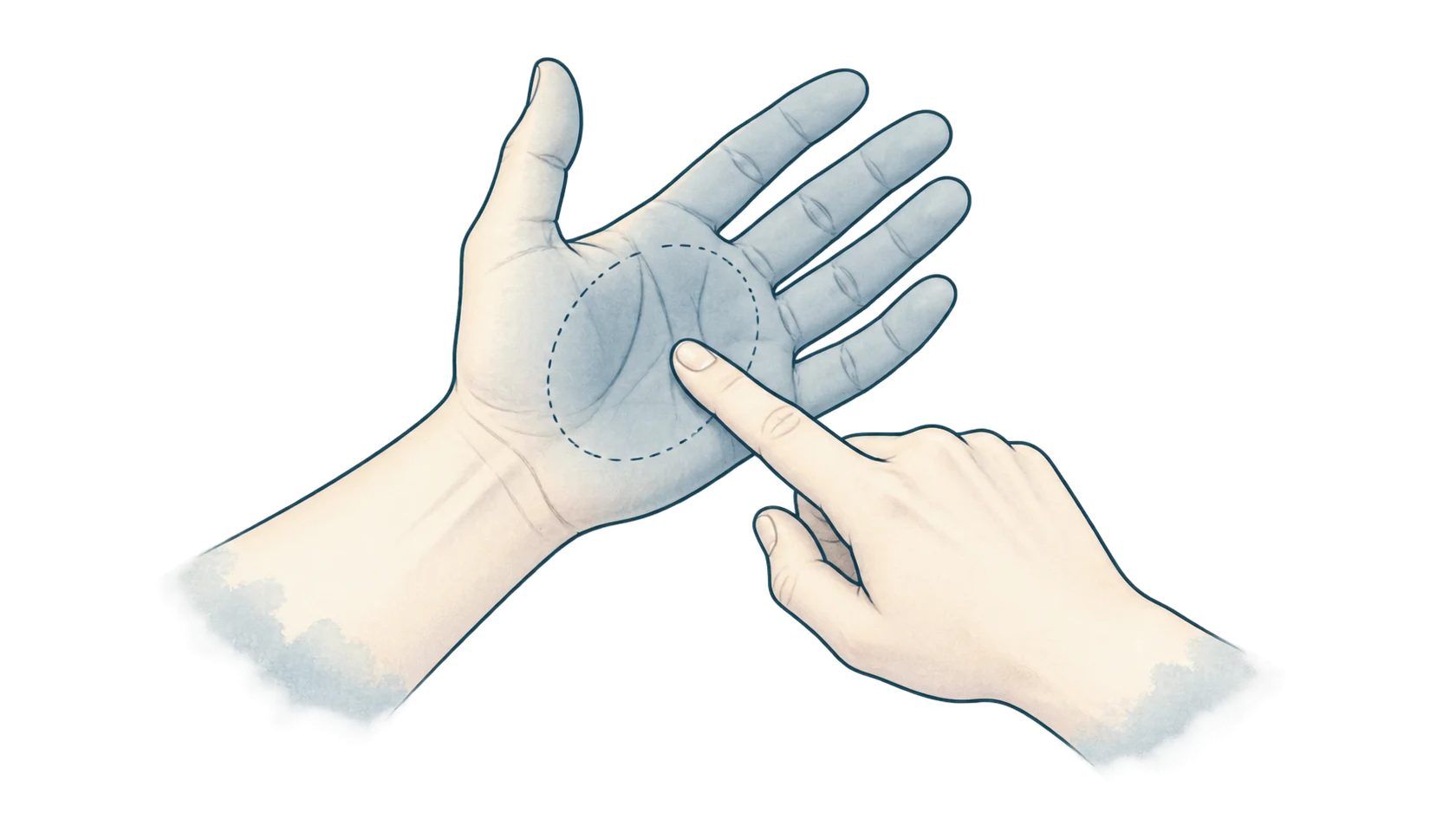
Numbness
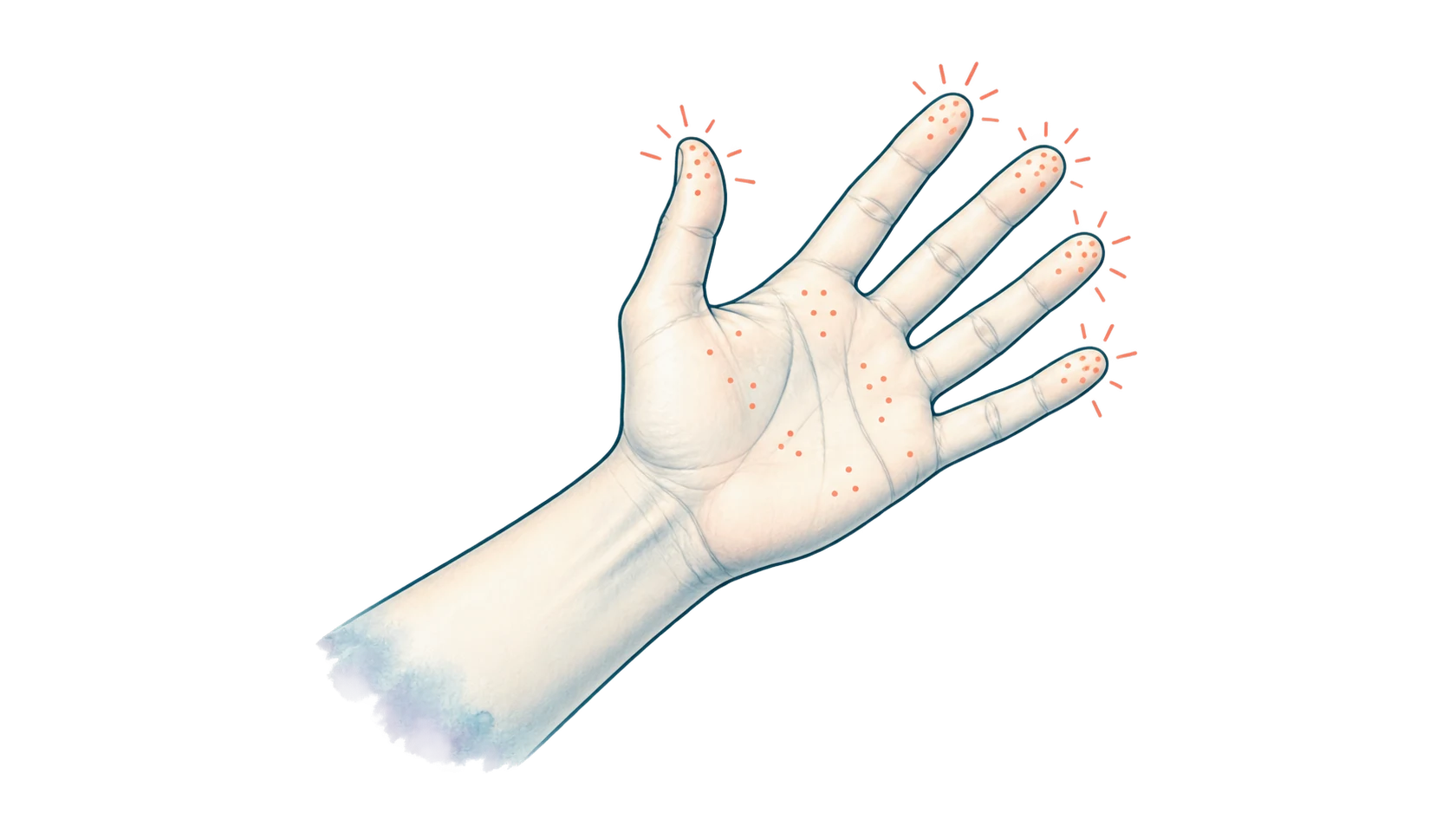
Tingling
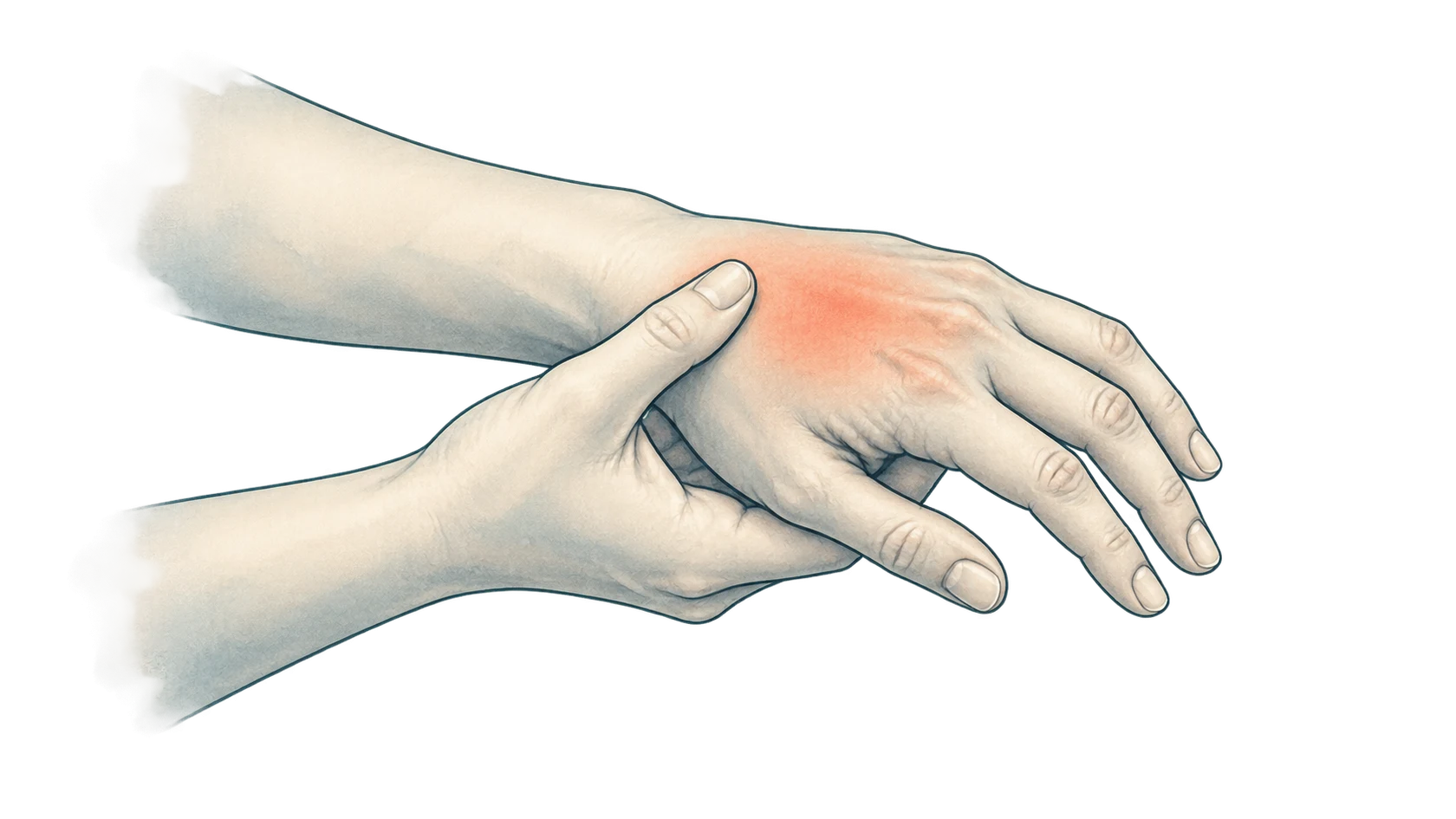
Hand Pain

Night Symptoms
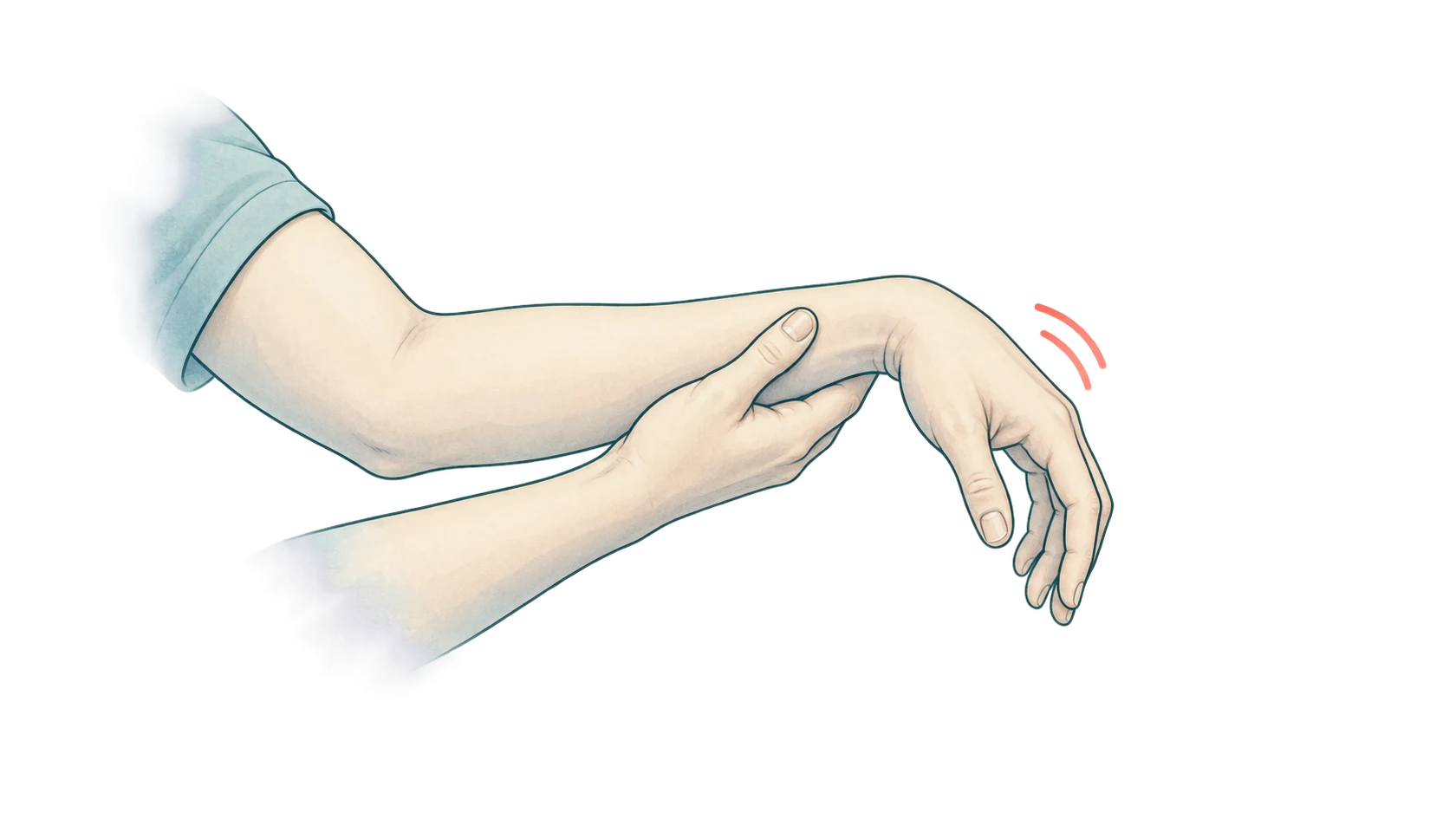
Weakness

Hand Clumsiness
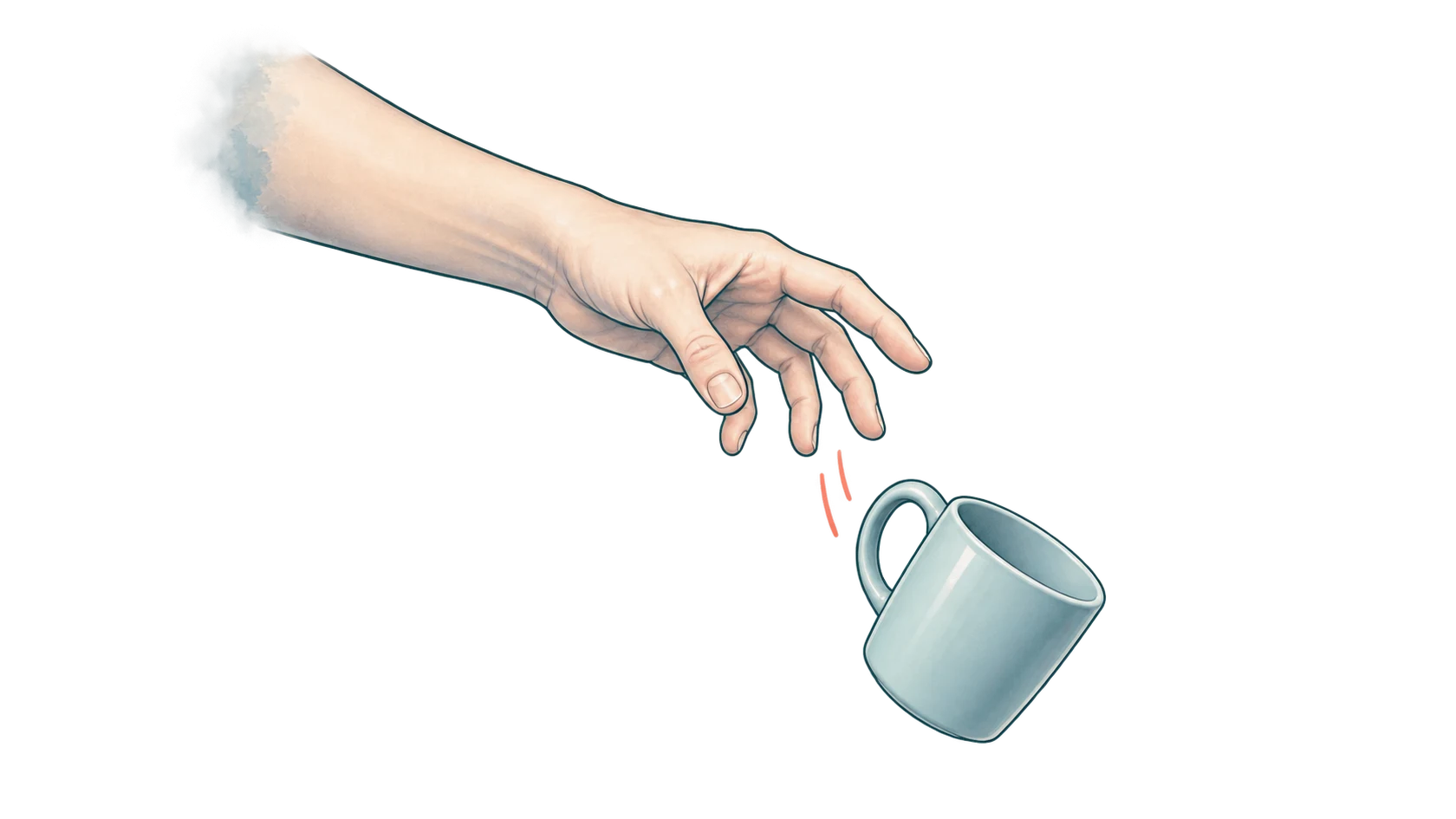
Dropping Objects

When to Seek Urgent Care
Know the Warning Signs
Carpal tunnel syndrome usually develops gradually and is rarely an emergency. However, arrange prompt medical assessment if you notice:
- Numbness becoming constant rather than intermittent.
- Increasing weakness of the thumb or difficulty gripping and pinching.
- Visible wasting of the muscles at the base of the thumb, or a clear decline in hand function.
These changes can indicate more advanced compression of the median nerve. Delaying treatment may reduce the chance of full nerve recovery.
For emergencies, call 000 or attend your nearest Emergency Department.
Assessment & Imaging
How is it diagnosed?
Diagnosis is usually based on symptoms and examination findings. Nerve conduction studies are commonly used to confirm the diagnosis and assess the severity of nerve compression.
Treatment
Treatment Options
Treatment depends on the severity and duration of symptoms, whether there is evidence of nerve damage, and how much your hand function is affected. Mild symptoms can often be managed without surgery.
Many patients improve with conservative treatment.
Treatment may include:
- Activity modification
- Wrist splinting
- Physiotherapy
- Anti-inflammatory medication
- Corticosteroid injections
Surgery may be recommended when symptoms are severe, progressive, or fail to respond to conservative treatment.
Treatment options may include:
Related Services
Associate Professor van Gelder offers specialist assessment, investigation, and treatment of carpal tunnel syndrome.
Concerned About Carpal Tunnel Syndrome?
Our team provides comprehensive assessment and treatment for patients experiencing hand numbness, tingling, weakness, and other peripheral nerve conditions.